









What is intermittent fasting?
Intermittent fasting is a popular diet trend involving alternating eating and fasting periods. This eating pattern has been practiced for centuries as part of religious and cultural traditions, but it has gained attention in recent years for its potential health benefits.
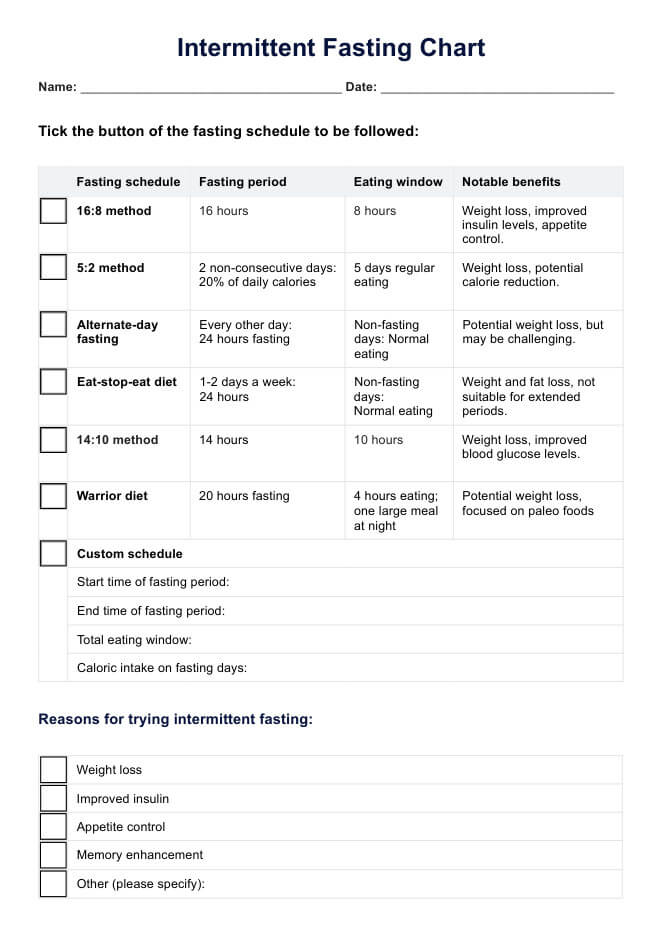
Intermittent fasting has been shown to reverse diabetes, thyroid issues, high blood pressure, and high cholesterol, maintain a healthy weight, and may help treat and prevent cancer and neurodegenerative diseases (Tagde et al., 2021). Standard methods include the 16/8 method (16 hours fasting, 8 hours eating) or the 5:2 method (regularly eating five days a week and significantly reducing calories for two non-consecutive days a week).
Intermittent fasting leverages the body's natural response to fasting periods to promote health benefits. When clients consume food, their bodies enter a fed state, utilizing energy from recently ingested meals. As clients enter the fasting window, typically 12 to 16 hours, their bodies shift into a fasted state. During this phase, the body turns to stored energy, initially burning glycogen and later transitioning to fat for fuel.









