





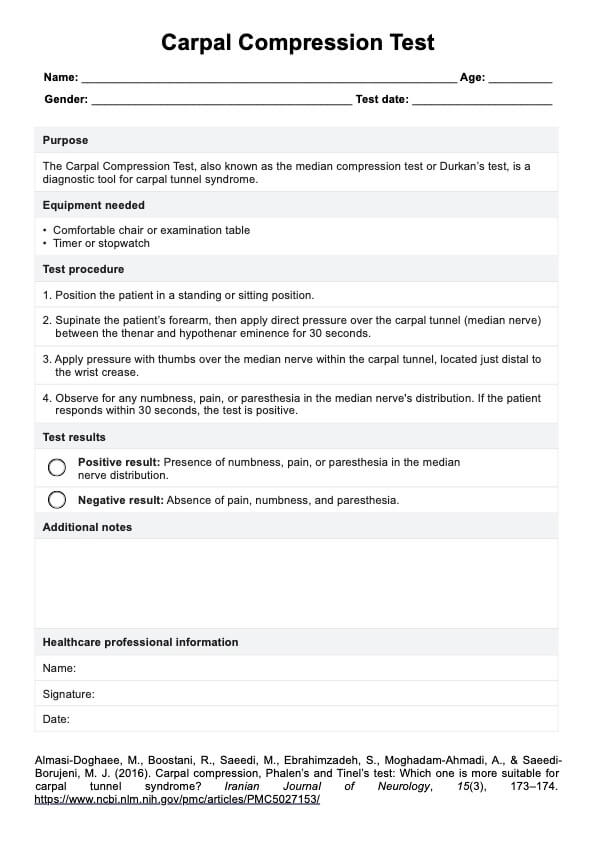




What is carpal tunnel syndrome?
Carpal tunnel syndrome (CTS) is a condition that occurs when the median nerve, which runs from the forearm into the palm, becomes compressed at the wrist. This nerve controls sensations to the palm side of the thumb and fingers (except the little finger) and impulses to some small muscles in the hand that allow the fingers and thumb to move. When the median nerve is compressed, it can result in pain, numbness, and weakness in the hand and arm, significantly impacting daily activities.
Symptoms
Carpal tunnel syndrome often presents various symptoms affecting one or both hands. These symptoms include:
- Numbness or tingling in the thumb, index, middle, and ring fingers
- Pain in the wrist or hand that may radiate up the arm
- Weakness in the hand and difficulty holding objects
- A sensation of swelling in the fingers, even without visible swelling
- Increased discomfort at night or upon waking
Causes
Several factors can contribute to the development of carpal tunnel syndrome, including:
- Repetitive hand movements, especially those involving prolonged wrist flexion or extension
- Wrist injuries, such as sprains or fractures
- Conditions like diabetes, rheumatoid arthritis, and thyroid dysfunction
- Pregnancy, due to fluid retention
- Obesity
- Genetic predisposition (smaller carpal tunnel in some individuals)









