






What is cubital tunnel syndrome?
Cubital tunnel syndrome is a common upper extremity condition caused by the compression or irritation of the ulnar nerve as it passes through the cubital tunnel, a narrow passageway on the inside of the elbow. This type of ulnar neuropathy is characterized by numbness, tingling, and pain in the ulnar nerve distribution, which includes the small finger and the ulnar half of the ring finger. Symptoms are often worse at night and with prolonged elbow flexion, such as when holding a phone or sleeping with the elbow bent.
The causes of cubital tunnel syndrome can range from repetitive elbow movements, direct trauma to the elbow, prolonged pressure on the elbow, or anatomical variations that narrow the cubital tunnel. Long-term complications of untreated cubital tunnel syndrome can include muscle weakness, loss of coordination in the hand, and chronic pain, making early diagnosis and management crucial.
How to diagnose cubital tunnel syndrome
Diagnosing cubital tunnel syndrome involves a combination of clinical evaluation, patient history, and physical tests to assess the function of the ulnar nerve. Healthcare professionals begin by reviewing the patient's symptoms, such as numbness, tingling, and pain in the ulnar distribution, particularly during activities that involve prolonged elbow flexion. A thorough physical examination follows, focusing on identifying signs of nerve compression and muscle weakness in the hand.
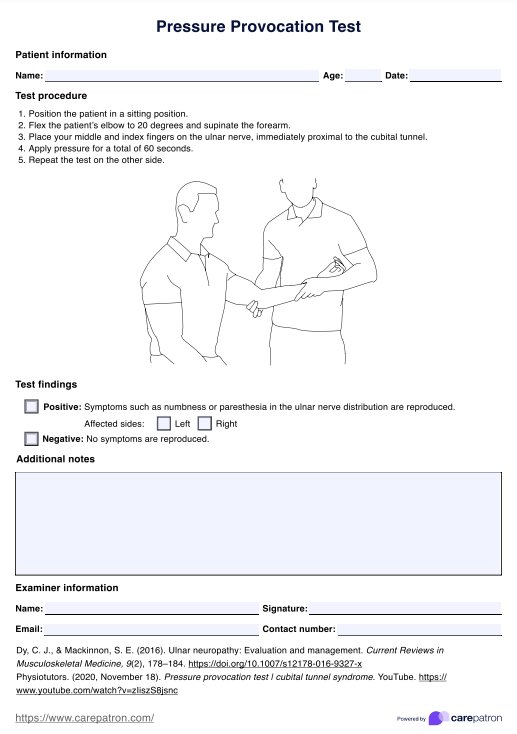
Several specific tests help in diagnosing cubital tunnel syndrome, such as Tinel's Test, Elbow Flexion Test, and the Pressure Provocation Test. These tests, combined with the patient's history and clinical findings, help in forming a comprehensive diagnosis, guiding the subsequent treatment plan.









