





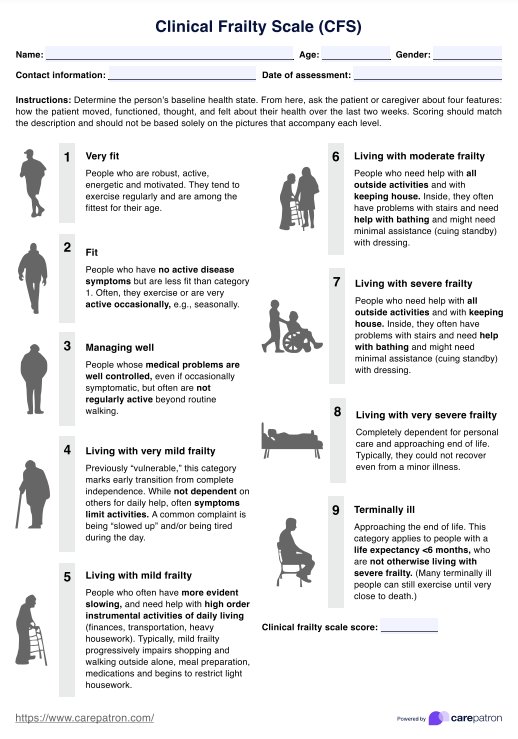




What does it mean for elderly people to be frail?
Frailty in elderly people is a complex health state characterized by increased vulnerability to stressors and decreased physiological reserves. It's not simply a matter of aging but rather a distinct clinical syndrome that can significantly impact an individual's health outcomes and quality of life.
It's important to note that frailty is not inevitable in aging. Many older adults remain robust and active well into their later years. However, when severe frailty does occur, it's associated with an increased risk of adverse health outcomes. These can include falls, hospitalization, disability, and even mortality.
Complications frailty may lead to
When we talk about frailty in older adults, we're referring to a state where multiple body systems have declined, reducing the ability to maintain homeostasis in the face of everyday or acute stressors. This can manifest in various ways, including:
- Unintentional weight loss
- Muscle weakness (sarcopenia)
- Decreased walking speed
- Low physical activity levels
- Self-reported exhaustion
Frail elderly individuals often experience a cycle of declining function. Reduced muscle strength can lead to decreased physical activity, further weakening muscles and creating a downward spiral or a potential frailty syndrome.









