
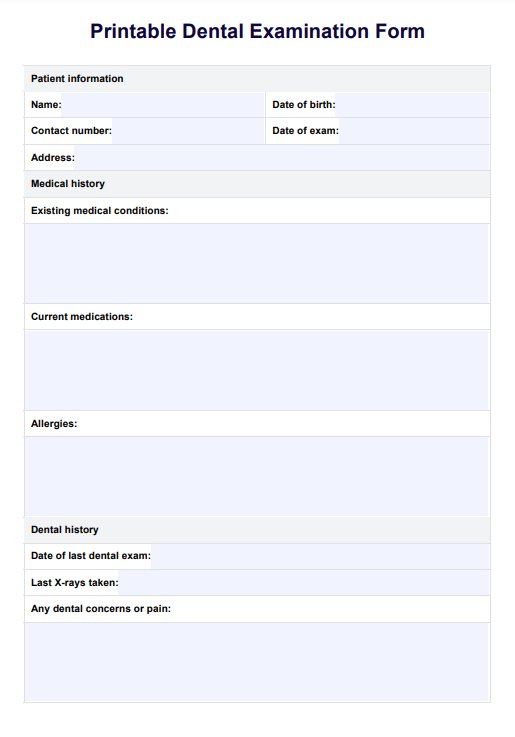




How to do a typical dental exam?
A typical dental exam involves a thorough evaluation of a patient's oral health. A dentist begins by reviewing the patient’s medical history, including any specific concerns regarding their teeth or gums. The patient is then seated in a dental chair, and the professional starts with a visual inspection of the mouth, teeth, gums, and tongue. Look for any signs of decay, gum disease, or other abnormalities.
Next, the dentist assesses each tooth using a small mirror and dental probe to check for cavities and weakened areas. They also examine gum health by measuring the depth of gum pockets around the teeth to identify potential signs of gum disease.
X-rays are typically taken to gain a detailed understanding of areas not visible during the physical examination, such as interproximal spaces and below the gum line. These images are crucial for detecting issues like cavities, bone loss, or impacted teeth.
The dental hygienist may also perform a cleaning, utilizing special tools to remove plaque and tartar from the teeth, followed by polishing to ensure the teeth are smooth and clean.
Finally, discuss the patient’s oral health status and provide recommendations for further treatments, such as fillings or additional cleanings, as well as advice on maintaining optimal oral hygiene.









