









What are examples of hip problems that affect hip motion and cause hip pain?
One prevalent condition that affects this body part is hip osteoarthritis, characterized by the gradual wear of the cartilage that cushions the hip joint. This deterioration can lead to pain, stiffness, and a reduced range of motion. Another concern is hip labral tears, often caused by injury or structural abnormalities, which occur when the labrum—the ring of cartilage surrounding the hip socket—becomes torn, resulting in pain and limited movement.
Bursitis, the inflammation of the bursae (fluid-filled sacs that minimize friction between tissues), can also hinder hip motion by causing pain and swelling around the joint. A specific type of bursitis, known as trochanteric bursitis, affects the outer part of the hip and can further restrict movement due to pain and inflammation. Additionally, hip impingement (femoroacetabular impingement) occurs when excess bone develops along one or both hip joint bones, leading to restricted movement and pain, particularly during flexion or rotation.
Initial assessment tests and X-rays may not always detect hip injuries, making advanced imaging techniques crucial for accurately diagnosing hip fractures, especially after trauma. Magnetic resonance imaging (MRI) and computed tomography (CT) scans can reveal soft tissue injuries, labral tears, and other structural issues that may not be visible on X-rays.
When should a person have their hip examination?
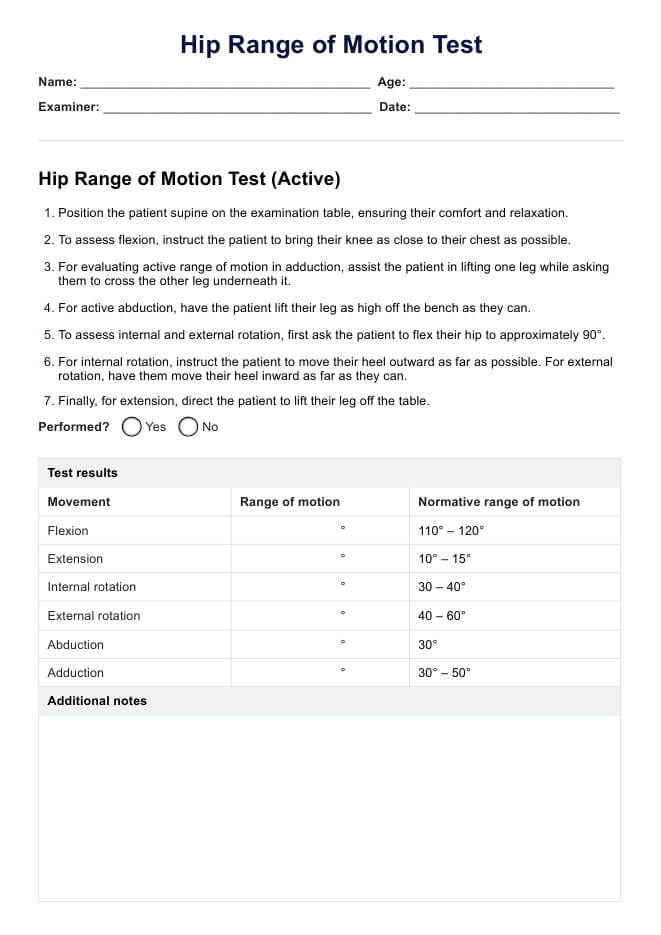
If a person experiences persistent pain, stiffness, or a limited range of motion in the hip that interferes with daily activities, they should consider having their hip checked. Specific tests like the internal rotation test can help identify potential mechanical impingement and other hip-related issues. This is particularly important if the hoverport persists for more than a few weeks or worsens over time, as it could indicate an underlying issue such as osteoarthritis, bursitis, or a labral tear. Early assessment can help identify the problem and prevent further complications, ensuring that appropriate treatment can be started promptly.
Additionally, anyone who has sustained a hip injury, such as a fall or direct impact, should seek a hip assessment, especially if they experience difficulty bearing weight on the affected foot or leg, hear a popping sound during the injury, or notice any swelling or bruising. Athletes or individuals engaged in high-impact sports or activities may also benefit from regular hip assessments to monitor joint health and prevent injuries.









