
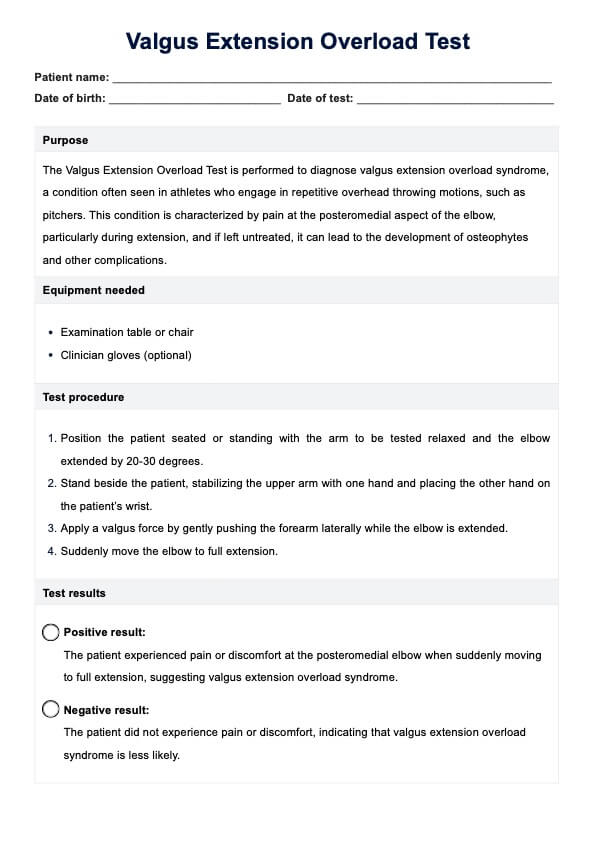




What is valgus extension overload syndrome?
Valgus extension overload (VEO) syndrome is a condition commonly seen in athletes, particularly those involved in repetitive overhead activities like baseball pitching (Cain et al., 2003). The repetitive throwing motion contributes to excessive valgus stress during extension, leading to pain at the posteromedial aspect of the elbow. Over time, this repetitive stress can damage the cartilage and bone, resulting in the formation of osteophytes (bone spurs), and in some cases, loose bodies within the joint's protective cartilage (Andrews & Launer, 2002).
Elbow movement dysfunction and excessive humeral external rotation are key factors contributing to the development of VEO syndrome (VEOS). Stiffness and shortness in the posterior shoulder muscles also contribute to excessive external rotation of the humerus, further impacting the elbow joint’s biomechanics. Weakness in the humeral internal rotators, such as the pectoralis major and latissimus dorsi, can also contribute to excessive humeral external rotation and elbow stress. If left untreated, valgus extension overload can lead to chronic pain and long-term complications, including reduced range of motion and functional limitations.
A thorough physical examination, including specific tests such as the valgus stress test, manual muscle testing, and assessments of symptom reproduction, is crucial for diagnosing this condition. Treatments may include rehabilitating the medial elbow stabilizers and the ulnar collateral ligament, which are essential in maintaining elbow stability during high-stress activities. Injuries to these structures can exacerbate the condition, making targeted rehabilitation essential.
Symptoms
When it comes to identifying VEOS, the symptoms can be fairly specific. Here are some common signs to look out for:
- Pain at the posteromedial elbow, especially during elbow extension
- Swelling around the elbow joint
- Loss of full elbow extension
- Locking or catching sensation in the elbow
- Tenderness over the medial epicondyle and olecranon
- Crepitus (a crackling sound) during elbow movement
Causes
VEOS typically develops due to repetitive stress and mechanical overload on the medial elbow. Here are some common causes:
- Repetitive overhead throwing motions (e.g., pitching in baseball)
- Excessive valgus stress during elbow extension
- Poor biomechanics during athletic activities
- Inadequate conditioning or warm-up
- Previous elbow injuries that destabilize the joint
- Overuse without sufficient rest or recovery time
Conditions like lateral epicondylitis can also exacerbate elbow pain and contribute to valgus extension overload syndrome.









