



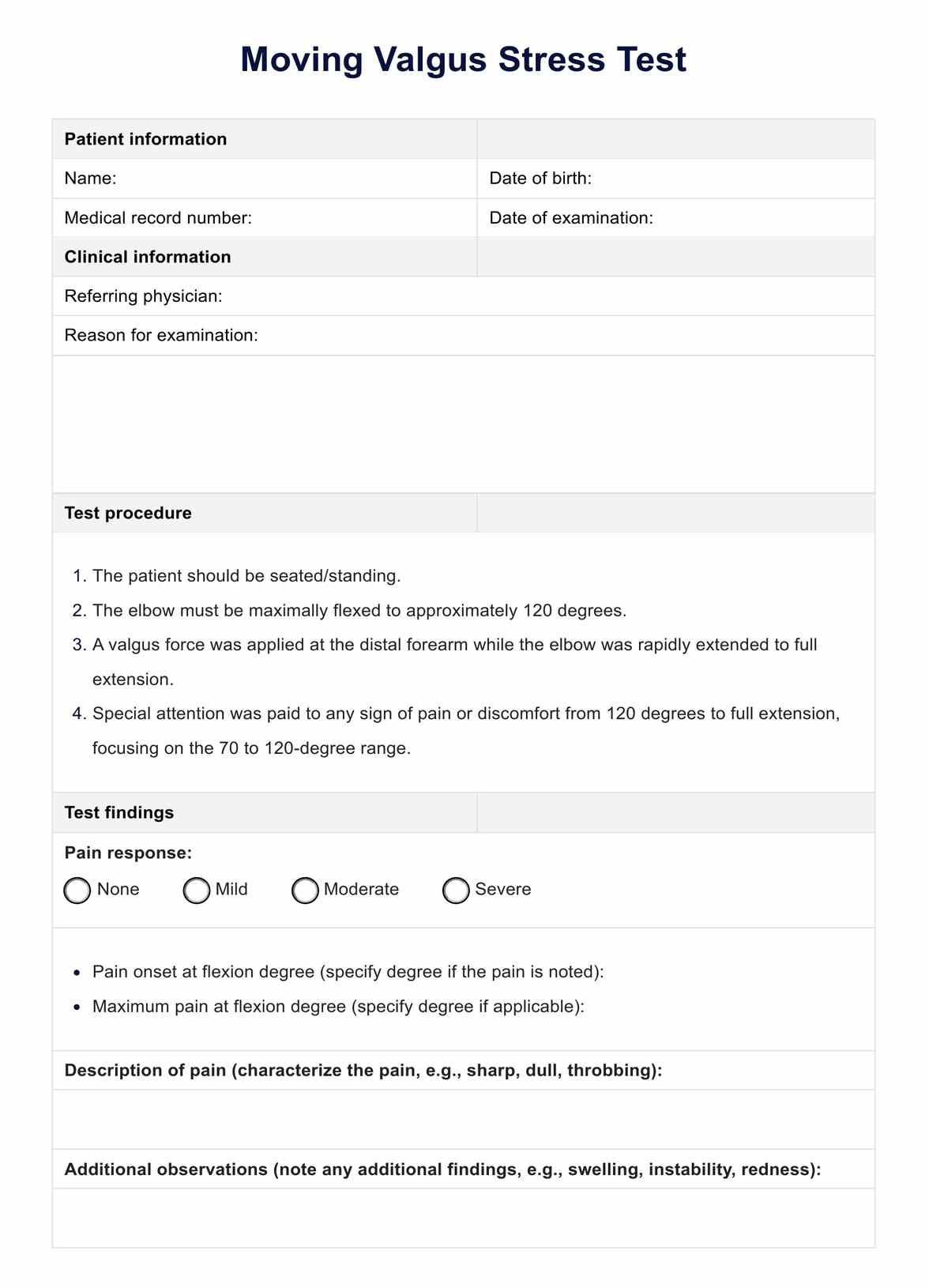




What is an elbow MCL tear?
A medial collateral ligament (MCL) injury or elbow MCL tear occurs when the ligament inside the elbow is overstretched or torn, causing damage and pain.
This type of injury is common in athletes who participate in sports that involve repetitive throwing motions, such as baseball, javelin throwing, or lacrosse, as well as in individuals who experience a gradual weakening of the ligament over time.
The treatment typically involves physical therapy, rest, and pain management. Surgical intervention may sometimes be necessary to repair or reconstruct the damaged ligament. Therapy aims to restore movement and reduce pain, allowing the individual to return to their normal activities, including sports.
It's important to note that an elbow MCL tear can be diagnosed through physical examination, imaging tests such as MRI, and arthroscopy. The severity of the injury can be classified into grades, with grade 1 being a strain, grade 2 being a partial tear, and grade 3 being a complete tear. The treatment approach is tailored to the individual's needs and goals, restoring elbow stability and function.
Symptoms of this tear
The symptoms of an MCL tear in the elbow typically include:
- Pain inside the elbow might increase with activities involving throwing or pressure on the ligament.
- Swelling and tenderness in the area around the injured ligament.
- A feeling of instability in the elbow, especially when making specific movements.
- A decreased range of motion or difficulty performing tasks requiring elbow bending.
- Sometimes, a popping sensation or sound is present during injury.
Causes of this tear
Repetitive throwing motions in sports like baseball pitching, javelin throwing, and cricket can lead to overuse injuries. Similarly, direct blows from contact sports or falls can damage the joint. Even activities involving forceful or awkward bending or twisting of the elbow joint can strain the ligaments, causing pain.
Problems this tear may lead to
If not properly treated, an MCL tear can lead to several complications, such as:
- Chronic elbow instability, where the elbow feels loose or gives way during certain activities.
- Increased risk for other elbow injuries due to the compromised stability of the joint.
- Development of elbow arthritis over time, particularly if the joint remains unstable or the injury leads to abnormal wear and tear.
- Persistent pain and swelling can hinder performance in sports and affect daily activities.
An elbow MCL tear treatment often starts with conservative measures like rest, ice, compression, elevation (RICE), and physical therapy to strengthen surrounding muscles and stabilize the joint. In severe cases, or for athletes who require full functional recovery, surgical intervention might be necessary to repair or reconstruct the damaged ligament.









