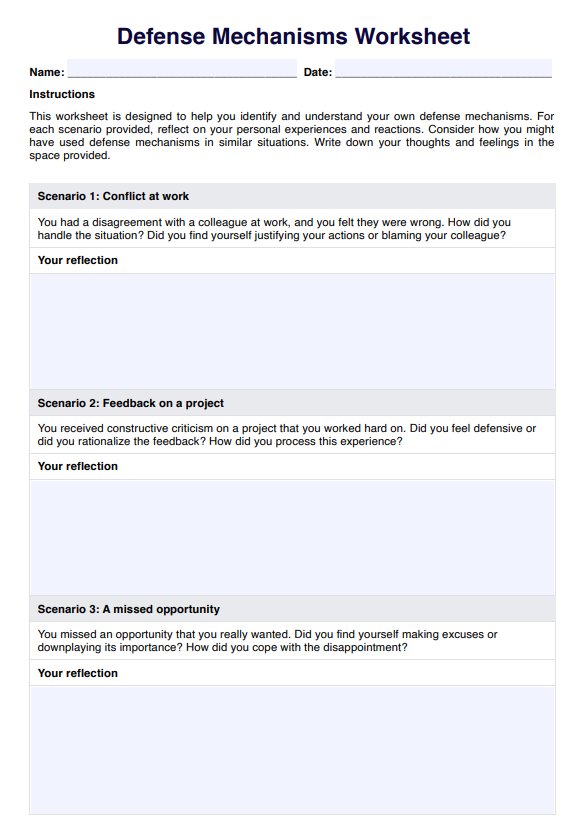
Understanding defense mechanisms psychology
Defense mechanisms psychology is a field that studies how these subconscious processes protect the ego from anxiety, internal stress, and perceived threats. This area of psychology is rooted in the theories of Sigmund Freud and has evolved with contributions from various psychologists.
Defense mechanisms operate unconsciously, meaning people are generally unaware of their use. These defense mechanisms included here can range from simple denial, where a person refuses to acknowledge the reality of a situation, to passive aggression, to more complex processes, like sublimation, where unacceptable impulses are transformed into socially acceptable actions.
Understanding these mechanisms is essential for mental health professionals as it helps in diagnosing and treating various psychological issues. For instance, people who frequently use projection – attributing their unacceptable feelings to others – might struggle with personal relationships. Recognizing this pattern can be the first step in addressing deeper emotional conflicts.
Moreover, defense mechanisms are not inherently negative. They can be adaptive and help individuals cope with life’s stresses. For example, humor is a defense mechanism that can diffuse tension and lighten difficult situations. The key is balance; overreliance on any one mechanism, especially in avoiding reality, can be detrimental to mental health.
Understanding a client’s primary defense mechanisms can guide the therapeutic process in therapy. It helps in tailoring interventions that address the root causes of emotional distress. For example, if a client primarily uses denial, therapy might focus on gently confronting reality and developing healthier coping strategies.
How to identify denial defense mechanisms
Denial is one of the most basic and common defense mechanisms. It involves refusing to accept reality or facts, avoiding a potentially distressing truth. Identifying denial can be challenging, as it operates on a subconscious level and is often deeply ingrained in an individual’s coping strategies.
To identify denial, mental health professionals look for signs like refusing to acknowledge a problematic situation, minimizing the seriousness of circumstances involved, or avoiding conversations about specific issues. For example, a person might consistently dismiss concerns about their excessive drinking habits or avoid discussing the consequences of a failing relationship.
In therapy, addressing denial involves creating a safe and supportive environment where the individual can gradually confront and accept reality. This process requires patience and empathy, as directly confronting someone in denial can lead to increased resistance and emotional shutdown.
Understanding and moving past denial is crucial for mental health and well-being. It allows individuals to face and address issues head-on rather than avoiding them, which can lead to more significant problems in the long run. Overcoming denial leads to greater self-awareness, healthier coping mechanisms, and improved emotional resilience.
How to identify repression defense mechanisms
Repression is a defense mechanism that unconsciously blocks distressing thoughts and feelings from conscious awareness. Unlike denial, where a person refuses to acknowledge reality, repression involves completely pushing uncomfortable thoughts out of conscious thought.
Identifying repression can be complex, as it operates on an unconscious level. Signs of repression include having difficulty recalling specific events or periods of life, experiencing unexplained emotions or reactions, or having recurring dreams or themes in dreams related to the repressed content.
Techniques like free association, dream analysis, and exploration of physical symptoms without a clear medical cause can help uncover repressed memories and feelings in therapy. The goal is to bring these repressed thoughts into consciousness, where they can be addressed and processed.
Repression is often linked to traumatic events related feelings or experiences. When these repressed memories are not dealt with, they can manifest in various psychological symptoms, such as anxiety, depression, or phobias. Addressing repression in therapy can lead to significant breakthroughs and emotional healing, as it allows individuals to process and integrate previously hidden aspects of their experiences.
How to identify displacement defense mechanisms
Displacement is a defense mechanism where an individual redirects their emotions or feelings from the original source to a safer or more acceptable target. It often occurs when expressing emotions directly to the source is too threatening or risky.
To identify displacement, mental health professionals look for patterns where clients consistently redirect their emotional responses. For example, a person who is angry with their boss but is unable to express it might come home and take out their anger and frustration on their family. Another sign of displacement is an overreaction to minor irritations, which might be a redirection of more significant, unaddressed emotions.
In therapy, recognizing and addressing displacement involves helping the client become aware of this pattern and understanding the underlying emotions and conflicts. Techniques like role-playing or exploring reactions to recent conflicts can be useful in identifying displacement.
Understanding and managing displacement is important as it can lead to strained relationships and inappropriate emotional responses. Therapy can help individuals learn to express their emotions more directly and appropriately, leading to healthier interpersonal dynamics and better emotional regulation.
How to recognize reaction formation defense mechanisms
Reaction formation is a defense mechanism where an individual unconsciously converts unwanted or dangerous thoughts, feelings, or impulses into their opposites. This mechanism often results in exaggerated or overly opposite behaviors and attitudes.
Identifying reaction formation involves observing behaviors that are excessively the opposite of what one would expect. For example, a person who is struggling with homosexual desires might become overly critical of homosexuality or adopt a strong homophobic stance.
Exploring these exaggerated attitudes and behaviors in therapy can reveal underlying conflicts and anxieties. The therapist might gently challenge these attitudes or explore the origins of these feelings, helping the client to confront and accept their true feelings and desires.
Understanding and addressing reaction formation is crucial as it can lead to a life of contradiction and internal conflict. Therapy can help individuals reconcile their true feelings with their outward behaviors, leading to a more integrated and authentic self.
How to identify projection defense mechanisms
Projection is a defense mechanism where individuals attribute their unacceptable thoughts, feelings, or motives to someone else. It is a way of externalizing one’s internal conflicts.
To identify projection, mental health professionals look for patterns where clients consistently attribute their negative qualities or feelings to others. For example, a person who is unfaithful in a relationship might accuse their partner of being unfaithful.
Helping clients recognize projection in therapy involves exploring these accusations or attributions and examining their basis in reality. Techniques like reflecting on past and present, relationships or analyzing recurring conflicts can be helpful.
Understanding and addressing projection is important as it can lead to misunderstandings, damaged relationships, and a lack of self-awareness. Therapy can help individuals take responsibility for their feelings and behaviors, leading to healthier relationships and a more accurate self-view.
Recognizing avoidance defense mechanisms
Avoidance is a defense mechanism where an individual consciously or unconsciously avoids facing certain painful or uncomfortable thoughts, feelings, or situations. This mechanism can manifest in various forms, such as physical avoidance, distraction, or emotional detachment.
Identifying avoidance involves observing behavior patterns where a person consistently steers clear of specific topics, people, or situations likely to cause distress. For example, a person might avoid social situations due to underlying social anxiety or consistently change the subject when discussing certain topics.
In therapy, addressing avoidance can involve gradually exposing the client to the feared situation or topic in a controlled and supportive environment. This process helps the individual confront and process the underlying emotions or fears.
Understanding and managing avoidance is crucial for emotional growth and well-being. Avoidance can lead to a restricted life and unaddressed emotional issues. Therapy can help individuals face their fears and develop healthier coping strategies, leading to a more fulfilling and engaged life.