




What is an anterior cruciate ligament tear?
An anterior cruciate ligament (ACL) tear is a common injury in the knee, involving the internal rotation of the tibia relative to the femur. When comparing the proximal tibia to the distal femur, the ACL plays a crucial role in stabilizing the knee by preventing excessive tibial rotation.
The cruciate ligaments, namely the anterior and posterior cruciate ligaments, cross each other to form a stabilizing structure within the knee joint. An ACL rupture can lead to significant instability and impaired function, often necessitating surgical intervention.
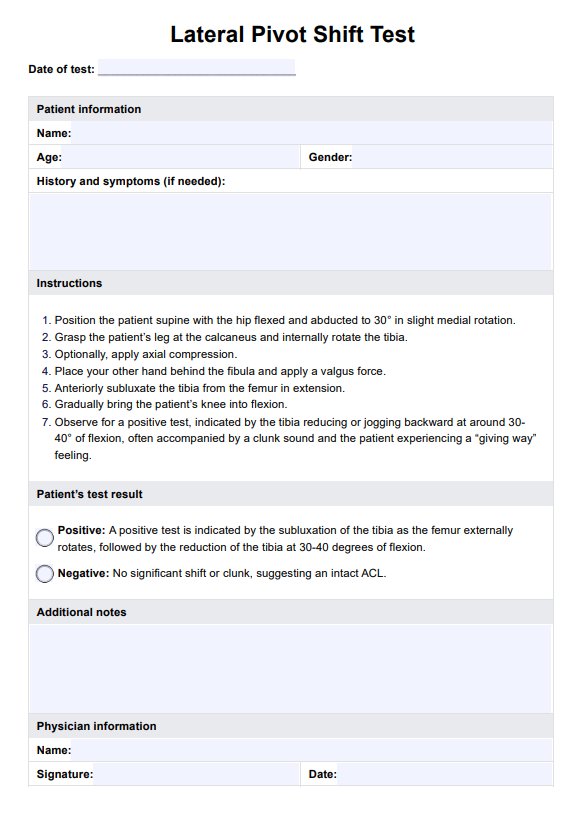
In an ACL-deficient knee, the stability of the joint is compromised, which can result in the pivot shift phenomenon, where the lateral meniscus experiences undue stress. This instability can be clinically evaluated using tests such as the anterior drawer sign, which assesses the forward movement of the tibia in relation to the femur. An understanding of internal tibial rotation and the biomechanics involved in knee movement is essential for diagnosing and treating ACL injuries effectively.
The most common symptoms of an ACL tear, also known as anterior cruciate ligament injury, include rapid swelling, a loss of range of motion, a feeling of instability/"giving way" when bearing weight, severe pain, inability to to continue activity, and a loud "pop" sound at the time of injury.
There are numerous causes of ACL tears, such as incorrectly landing from a jump, direct collision (like during a football tackle), sudden stopping, changing direction quickly, and slowing down while running.
These movements put great stress on the ACL, leading to its tear if the force is beyond what the ligament can handle, as well as medial meniscus tears if not diagnosed and treated immediately.









