









What is hypersomnia?
Hypersomnia refers to a condition characterized by excessive daytime sleepiness and prolonged nighttime sleep. Individuals with hypersomnia often struggle to stay awake during the day, regardless of how much sleep they get at night. This can significantly impact daily functioning and quality of life.
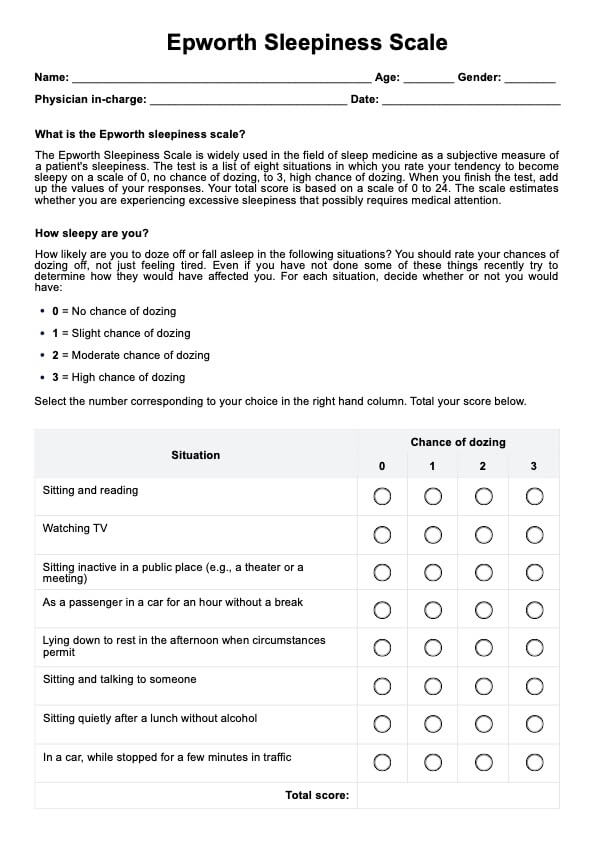
Healthcare professionals test daytime sleepiness using tools like the Epworth Sleepiness Scale (ESS), which helps measure the severity of falling asleep and excessive sleepiness in daily situations. Diagnosis often involves detailed sleep testing to identify underlying sleep disorders contributing to excessive daytime sleepiness, ensuring effective treatment planning tailored to the individual's needs.
Causes of hypersomnia
Hypersomnia can arise from various underlying factors, including sleep disorders such as obstructive sleep apnea, where repeated interruptions in breathing or increased respiratory disturbance index during sleep lead to fragmented rest. Idiopathic hypersomnia, a condition of unknown origin, manifests as excessive daytime sleepiness despite sufficient nocturnal sleep. Individuals may experience difficulty staying awake during the day, impacting daily activities and productivity.
Potential problems hypersomnia may lead to
Hypersomnia, characterized by excessive daytime sleepiness, can lead to many problems that significantly impact an individual's quality of life and overall health. Understanding these potential issues is crucial for effective management and treatment.
- Cognitive impairment: Chronic sleepiness can affect cognitive functions such as attention, memory, and decision-making. This can lead to decreased work or academic performance and an increased risk of errors in daily tasks.
- Increased accident risk: People with hypersomnia are at higher risk for motor vehicle accidents and workplace injuries due to reduced alertness, feeling tired, and slower reaction times.
- Mood disorders: There's a strong association between hypersomnia and mood disorders. Individuals may experience increased irritability, anxiety, or symptoms of depression.
- Social and relationship issues: Excessive sleepiness can interfere with social activities and personal relationships, leading to isolation and reduced quality of life.









