






What are SLAP lesions?
Superior labrum anterior to posterior, (SLAP) lessions are injuries that occur in the superior labrum of the shoulder, particularly where the biceps tendon attaches. These lesions are common among athletes involved in overhead sports such as baseball, tennis, and volleyball, but they can also affect non-athletes due to traumatic events or wear and tear over time.
According to Kim Y.S et. al (2007), despite the availability of various physical tests for superior labrum anterior-posterior lesions, few reports have assessed their accuracy, and none can be considered entirely predictive for diagnosing SLAP lesions in the shoulder joint. However, this innovative clinical test has emerged as a valuable and precise method for identifying SLAP tears in the shoulder joint.
During a SLAP lesion, the superior labrum of the glenohumeral joint becomes damaged, which can lead to pain, weakness, and instability in the shoulder. One distinguishing characteristic of SLAP lesions is disrupting the labrum's attachment to the glenoid socket at the top of the shoulder.
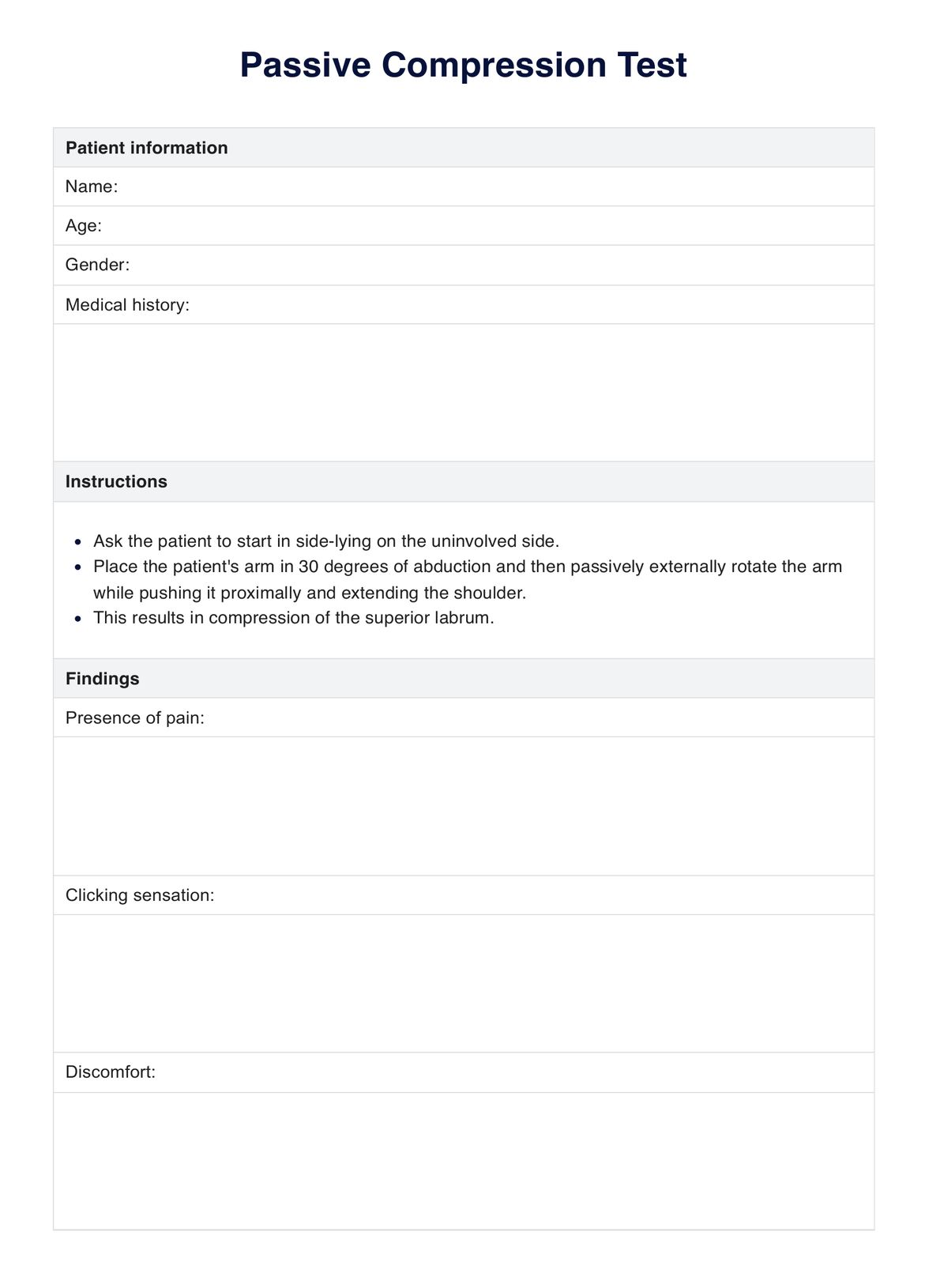
Clinicians often use a new clinical test known as the passive compression test for superior labral tears to diagnose SLAP lesions. During this test, the examiner rotates the patient's arm while applying passive compression to the shoulder joint. If the patient experiences pain or a clicking sensation, it may indicate a SLAP lesion.
Common symptoms of SLAP lesions
SLAP lesions can manifest in various ways, often causing discomfort and functional impairment in the shoulder joint. Recognizing the symptoms is essential for timely diagnosis and treatment. Here are the common signs and symptoms associated with SLAP lesions:
- Shoulder pain, especially with overhead movements
- Clicking, popping, or grinding sensations in the shoulder joint
- Weakness or instability in the shoulder, particularly during activities requiring overhead motion
- Decreased range of motion, especially with external rotation
- Difficulty performing tasks that involve lifting, reaching, or throwing
- Pain or discomfort while sleeping on the affected shoulder
- Persistent discomfort or aching sensation in the shoulder, even at rest
These symptoms may vary in severity and can worsen over time if left untreated. If you experience any of these symptoms, it's important to consult a healthcare professional for proper evaluation and management. Early intervention can help alleviate pain and prevent further damage to the shoulder joint.
Causes of these lesions
SLAP lesions can arise from various factors, including traumatic injuries and repetitive motions that place stress on the shoulder joint. Understanding the underlying causes can help prevent these injuries and promote shoulder health. Here are the common causes of SLAP lesions:
- Traumatic events such as falls, motor vehicle accidents, or direct blows to the shoulder
- Repetitive overhead motions, commonly seen in athletes participating in sports like baseball, tennis, and swimming
- Forceful pulling or lifting movements leading to excessive strain on the shoulder joint
- Degenerative changes associated with aging or wear and tear of the shoulder structures
- Anatomical abnormalities or congenital conditions that predispose individuals to shoulder injuries
- Improper lifting techniques or poor posture increasing the risk of shoulder injuries over time
Individuals can take proactive measures to reduce the risk of developing SLAP lesions and other shoulder injuries by identifying and addressing these contributing factors.









