



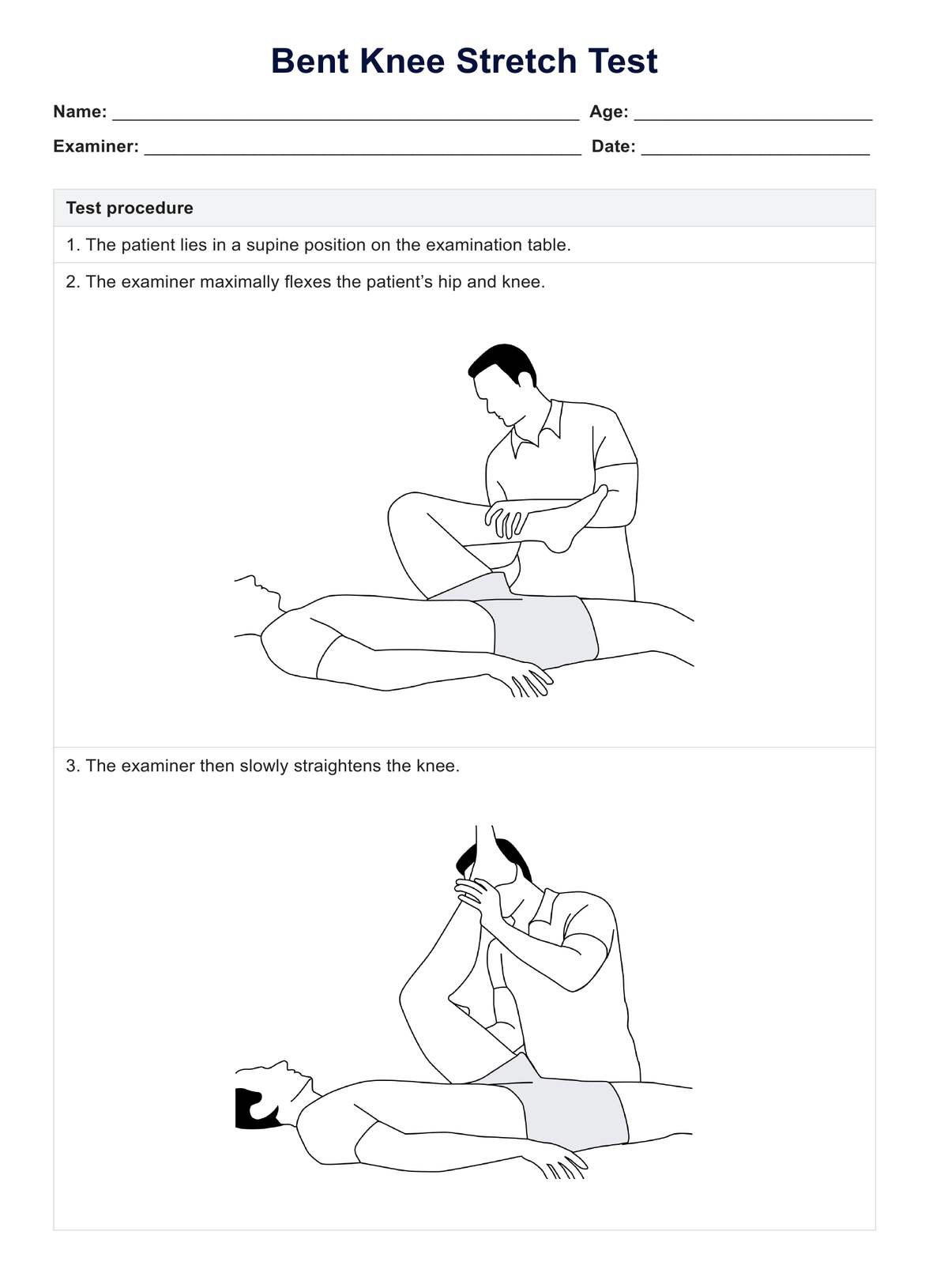




What is proximal hamstring tendinopathy?
Chronic proximal hamstring tendinopathy is a condition characterized by pain and tenderness at the point where the hamstring muscles attach to the bone at the bottom of the pelvis. This condition often affects athletes, particularly those involved in running, sprinting, or activities that involve significant stretching or sudden, intense movements where the hamstring rapidly straightens.
Proximal hamstring tendinopathy can lead to chronic discomfort and limit a person's ability to perform physical activities effectively.
Symptoms of proximal hamstring tendinopathy
The primary symptom of proximal hamstring tendinopathy is pain in the muscle group near the lower buttock, especially near the point where the hamstrings attach to the bone. Like other hamstring injuries, this pain may worsen with activities that involve bending over or stretching the hamstring muscles. Other common symptoms include:
- Increased discomfort during or after running.
- Pain when sitting on hard surfaces for prolonged periods.
- Tenderness at the attachment site on the pelvis.
Causes of this tendinopathy
Proximal hamstring tendinopathy is typically caused by a combination of overuse and muscle imbalance. Frequent and repetitive loading of the hamstring muscles, especially when they are not adequately conditioned or when there is poor flexibility, contributes to strain and microtears in the tendons. Other contributing factors include:
- Sudden increases in physical activity or changes in training routines.
- Underlying biomechanical issues, such as pelvic instability or poor running technique.
- Age-related wear and tear which affects tendon resilience.









