
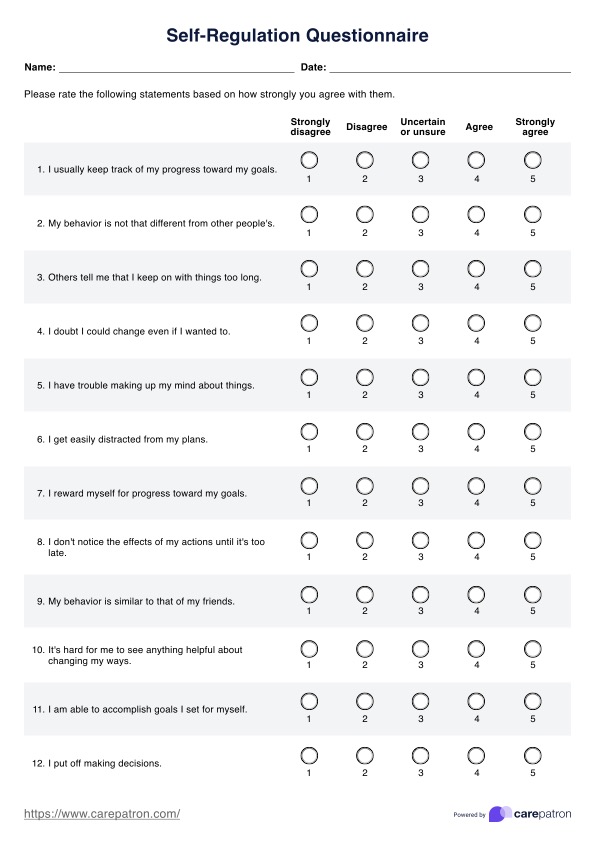




What is self-regulation?
Self-regulation is a dynamic process that allows individuals to take action to move forward to their desired goals whilst monitoring their progress (Inzlicht et al., 2021). As an example, a student may create an end goal of being prepared for their exams. They may set a study schedule to support them, whilst resisting the temptation to do other recreational activities such as watching television. In this example, the individual is self-regulating by doing their study activities in order to achieve desired future outcomes as well as generalized self-regulation skills. This can also support other school related behaviors and support their future goals.
Baumeister and Vohs (2004) suggests that self-regulation skills play a more important role in an individual's life now than they did in the past. Today, we are constantly faced with more choices that allow individuals to
There may be various negative consequences of having poor self-regulation skills. Here are a few common issues and particular behavior that individuals who have negative relationship self-regulation skills may demonstrate:
- Acting on impulse behavior
- Difficulty managing stress
- Emotional unease
- Poor decision-making
- Academic struggles
- Hardship within interpersonal relationships









