






What is compassion fatigue?
Compassion fatigue is a condition experienced by caregivers and healthcare professionals, characterized by emotional exhaustion and a diminished ability to empathize with patients. It arises from prolonged exposure to the suffering of others, often leading to secondary traumatic stress (Figley, 1995). Unlike burnout, which develops over time due to workplace stress, compassion fatigue can emerge suddenly and intensely as a response to secondary trauma or secondary exposure to traumatic events.
Professionals experiencing compassion fatigue may exhibit warning signs such as irritability, negative feelings towards their job, and a decrease in compassion satisfaction—the pleasure derived from helping others. These symptoms can significantly impact the professional quality of life, affecting their ability to provide high and professional quality care.
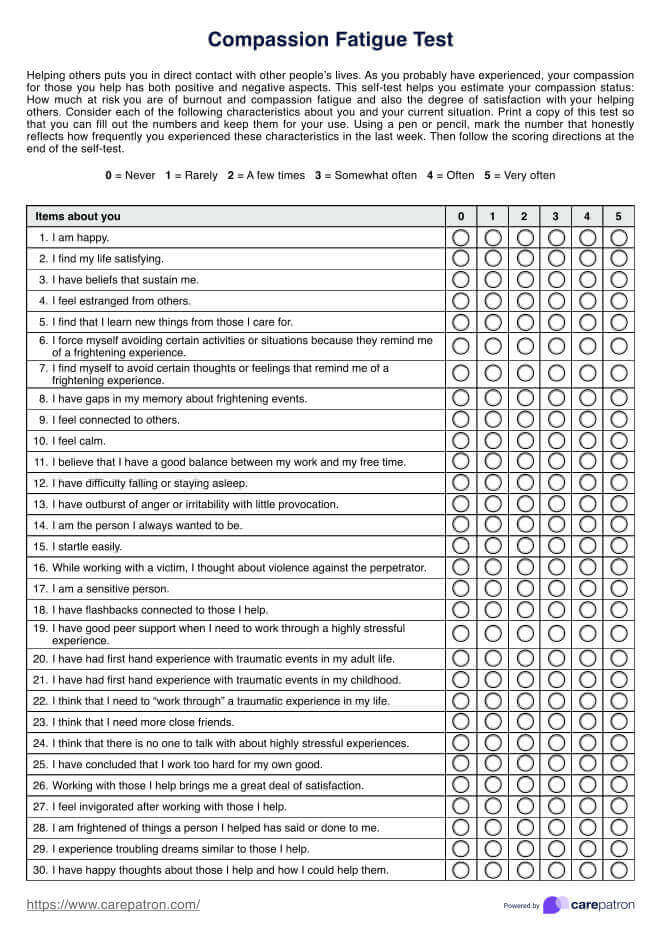
The most commonly used measure to assess compassion fatigue is the Professional Quality of Life Scale, which includes a compassion fatigue self-test. This tool helps identify both the positive and negative effects of caregiving, offering insights into the balance between compassion satisfaction and the risks of secondary traumatic stress.
Recognizing and addressing compassion fatigue is crucial for maintaining the well-being of caregivers. Self-care strategies, including seeking support from other caregivers and engaging in the healing process, can mitigate its impact.









