





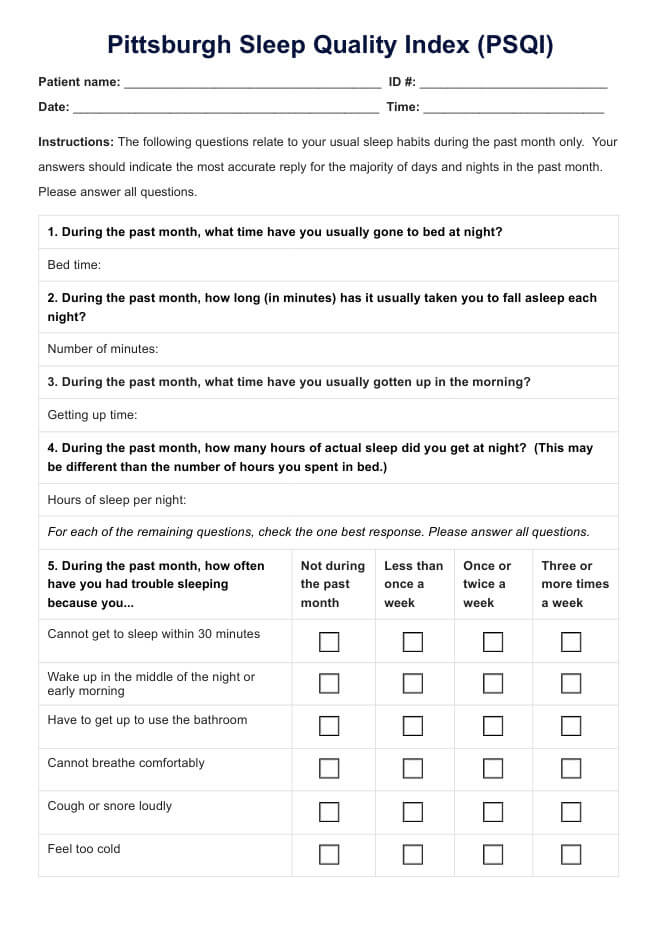




What does it mean to have good sleep quality?
Having good sleep quality encompasses various factors that collectively contribute to overall well-being. It goes beyond simply achieving sufficient sleep duration; it involves experiencing restorative and uninterrupted sleep.
For individuals, good sleep quality means feeling refreshed upon waking, being able to maintain alertness throughout the day without excessive fatigue, and not relying heavily on sleep aids. In clinical and psychiatric practice, evaluating overall sleep quality is crucial as poor sleep is often linked to various health issues including sleep disorders and psychiatric conditions. Therefore, understanding and monitoring these parameters using tools are essential for promoting better sleep hygiene and overall health.
Characteristics of good sleep quality
Achieving good sleep quality involves several key characteristics that collectively contribute to overall well-being. These characteristics, as evaluated by tools include:
- Subjective sleep quality: Feeling rested and satisfied with your sleep upon waking.
- Sleep latency: Falling asleep within a reasonable amount of time after getting into bed.
- Sleep duration: Obtaining sufficient sleep for your age group, typically 7-9 hours for adults.
- Habitual sleep efficiency: Spending at least 85-90% of your time in bed asleep rather than awake.
- Sleep disturbances: Experiencing minimal disruptions during the night, such as waking up frequently.
- Daytime dysfunction: Avoiding excessive daytime sleepiness or fatigue that impairs daily functioning.
- Use of sleeping medication: Not relying heavily on medications to induce or maintain sleep.
These characteristics are crucial in assessing sleep quality both in clinical settings, such as psychiatric practice, and for individuals seeking to improve their overall health and well-being. Understanding and monitoring these factors can help identify and address potential sleep disorders and promote better sleep hygiene.
Factors that negatively impact sleep quality
Several factors can significantly affect sleep quality, leading to disrupted or poor-quality sleep. Identifying these factors is crucial for improving overall well-being and addressing sleep-related issues effectively. Common factors include:
- Sleep disorders: Conditions such as insomnia, sleep apnea, restless legs syndrome, and narcolepsy can severely disrupt sleep patterns.
- Poor sleep hygiene: Practices such as irregular sleep schedules, excessive screen time before bed, and consuming stimulants like caffeine or nicotine close to bedtime.
- Environmental factors: Noisy or brightly lit sleep environments, uncomfortable mattresses or pillows, and extreme temperatures can interfere with sleep.
- Stress and anxiety: Mental health issues, work-related stress, or personal concerns can lead to difficulty falling asleep or staying asleep.
- Medical conditions: Chronic pain, asthma, allergies, and other medical conditions can cause discomfort that disrupts sleep.
- Medications: Certain medications, including antidepressants, antihistamines, and medications for high blood pressure, can affect sleep quality.
- Lifestyle choices: Lack of physical activity, poor diet, and excessive alcohol consumption close to bedtime can all impact sleep negatively.
Addressing these factors through lifestyle changes, improved sleep hygiene, and sometimes medical intervention can help improve sleep quality and overall health.









