




When does stress become dangerous?
Stress is a normal part of life, but prolonged or intense stress can have serious health consequences. When the body experiences stress, it triggers the "fight or flight" response, a complex physiological reaction that prepares the body for perceived threats. This response involves several body changes, including blood flow alterations. During stress, blood constricted from tiny blood vessels under the skin is redirected in peripheral blood circulation, such as the hands, to more vital parts of the body, including internal organs and major muscles.
Chronic stress can lead to a range of physical and mental health issues, including cardiovascular problems, weakened immune function, and increased risk of anxiety and depression. The danger zone for stress varies among individuals, but some key signs indicate when stress has become potentially harmful:
- Persistent physical symptoms: Headaches, muscle tension as the skin constricts and hands feel cold, or digestive issues that don't resolve with rest.
- Sleep disturbances: Difficulty falling asleep or staying asleep.
- Mood changes: Increased irritability, anxiety, or depressive symptoms.
- Cognitive impairment: Difficulty concentrating or making decisions.
- Behavioral changes: Increased use of alcohol or drugs, social withdrawal, or changes in appetite.
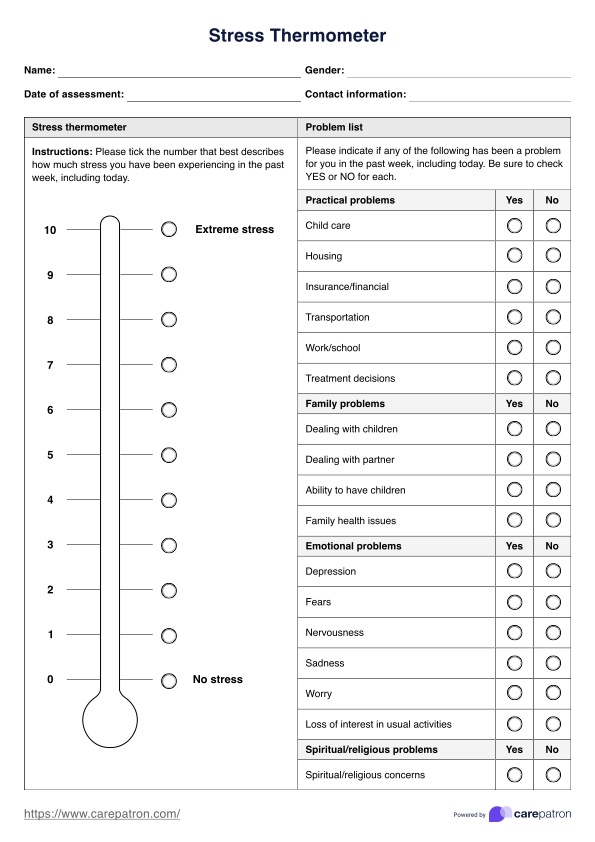
Using tools like Stress Thermometers can help individuals monitor their stress levels and implement simple stress reduction exercises before reaching dangerous levels.









