





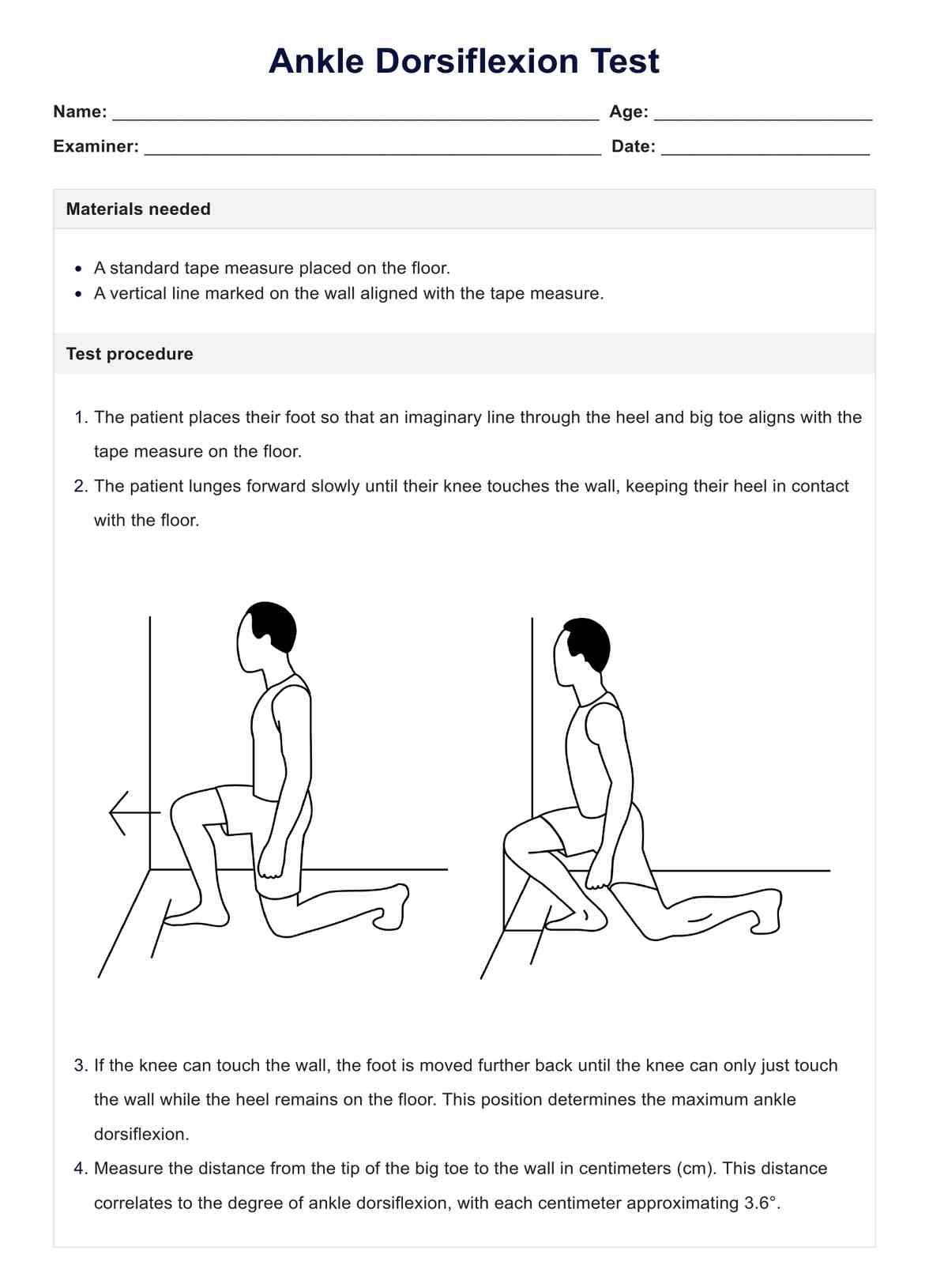




Why is ankle dorsiflexion important?
Ankle dorsiflexion refers to the action of decreasing the angle between the foot and the shin, essentially when you pull your toes closer to your shin. It's a crucial movement in many daily activities such as walking, running, lifting, and squatting. Adequate ankle dorsiflexion range ensures efficient biomechanical movements and helps maintain balance and gait stability.
What can negatively impact ankle dorsiflexion?
Several factors can impair ankle dorsiflexion including tightness in the calf muscles (gastrocnemius and soleus), previous ankle injury (like ankle sprains) that lead to scar tissue formation, or structural abnormalities such as bone spurs on the front of the ankle joint.
What problems can impaired ankle dorsiflexion lead to?
Limited ankle dorsiflexion can lead to a range of issues affecting overall mobility. It can alter normal gait patterns, increase the risk of falls and ankle sprain, and contribute to lower limb disorders that affect the Achilles tendon, shin, and knee.
Even the upper body can be affected, since ankle dorsiflexion is done in movements like lifting and grasping; it can affect the overall movement patterns and potentially contribute to wrist pain. Over time, a restricted ankle range of motion can also lead to compensatory movements, placing undue stress on other joints.









