




The role of conversation in therapy
The ability to carry a conversation through a therapy session can be difficult. Individuals undertaking therapy often experience shyness or hostility, depending on their situation. That's why delving into a meaningful conversation can support a positive relationship and open conversations regarding the therapeutic alliance.
Here are a few benefits of the conversation in therapy:
Expression of feelings and thoughts
Conversations allow the therapist and individual to explore and discuss feelings, situations, and experiences more deeply. This can facilitate an exciting discussion and a relationship between the two. Conversations focusing on emotions and thoughts can support a mental health journey and practice opening up and becoming comfortable sharing these aspects of life.
Building a therapeutic alliance
The therapeutic alliance is a detrimental aspect of the whole therapy experience. Counseling often involves a lot of talking, and it's a good idea for the conversations to include significant concerns the patient may have. By conversing about the therapy sessions, individuals may be more inclined to feel cared for and like their situation is vital to the therapist. This also may increase the likelihood that they will return to future sessions.
Exploration of issues
More than what a therapy intake form can provide, conversations about what the individual is experiencing can facilitate a better exploration of the issues at hand. In-depth conversations can avoid that awkward small talk when the individual or therapist feels uncomfortable.
Goal setting and planning
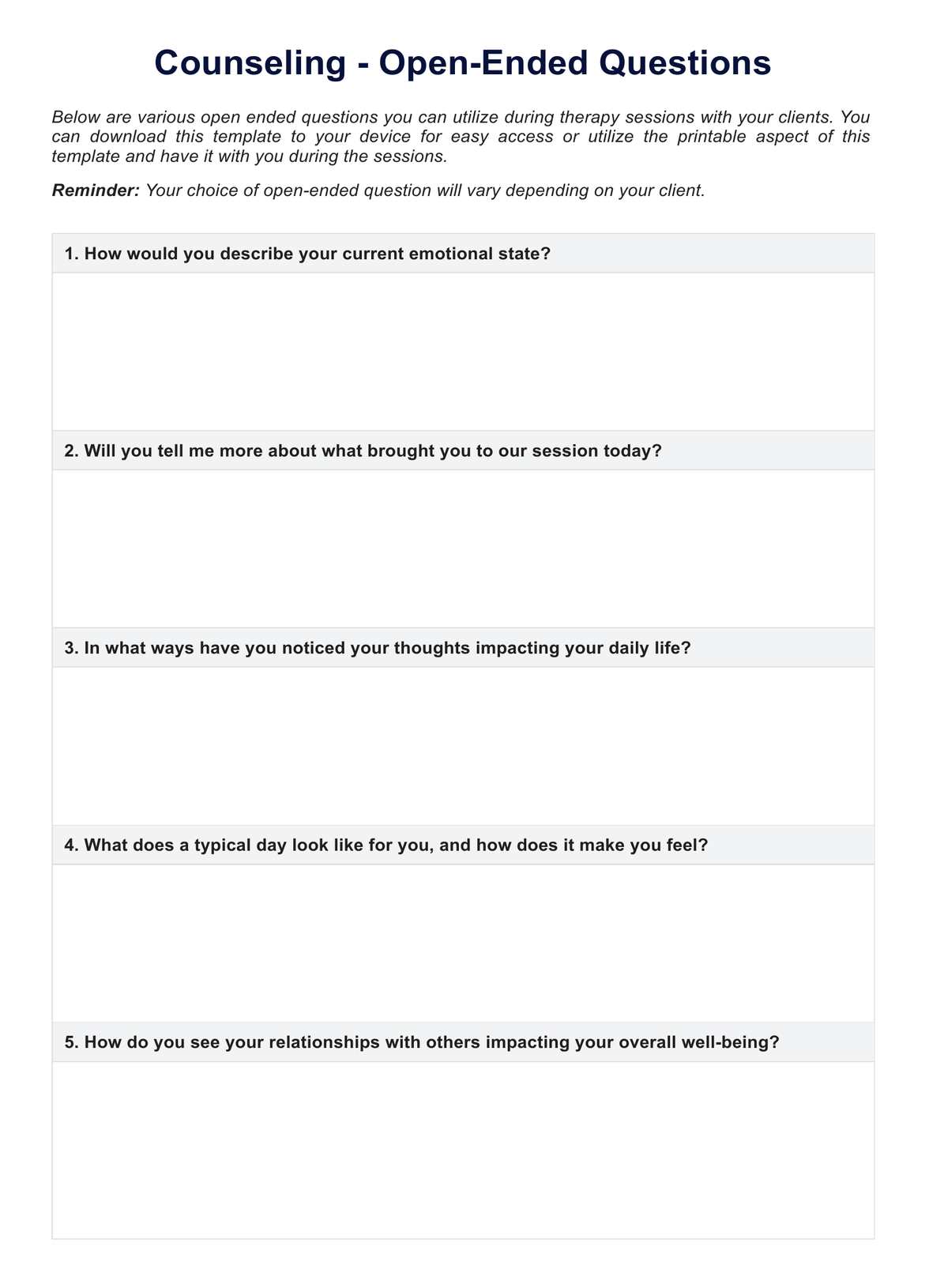
Conversations often result in planning for the future within the therapeutic setting. Open-ended questions can support individuals in goal setting and planning for their future. Conversation skills such as active listening help more profound answers from the client about what they would like to see from therapy sessions.









