




What is a panic attack?
A panic attack is an intense and sudden episode of overwhelming fear or anxiety that can strike unexpectedly and without apparent cause. It's a hallmark symptom of panic disorder, a type of anxiety disorder characterized by recurrent and unexpected panic attacks.
During a panic attack, individuals may experience a combination of physical and psychological symptoms. Physical symptoms can include a racing heart, chest pain, shortness of breath, trembling or shaking, sweating, dizziness, and feelings of choking or suffocation. These symptoms can be so severe that they mimic those of a heart attack, leading to heightened distress.
Mentally, individuals may feel a sense of impending doom, a loss of control, or detachment from reality. They may also experience intense fear of dying, going crazy, or losing control.
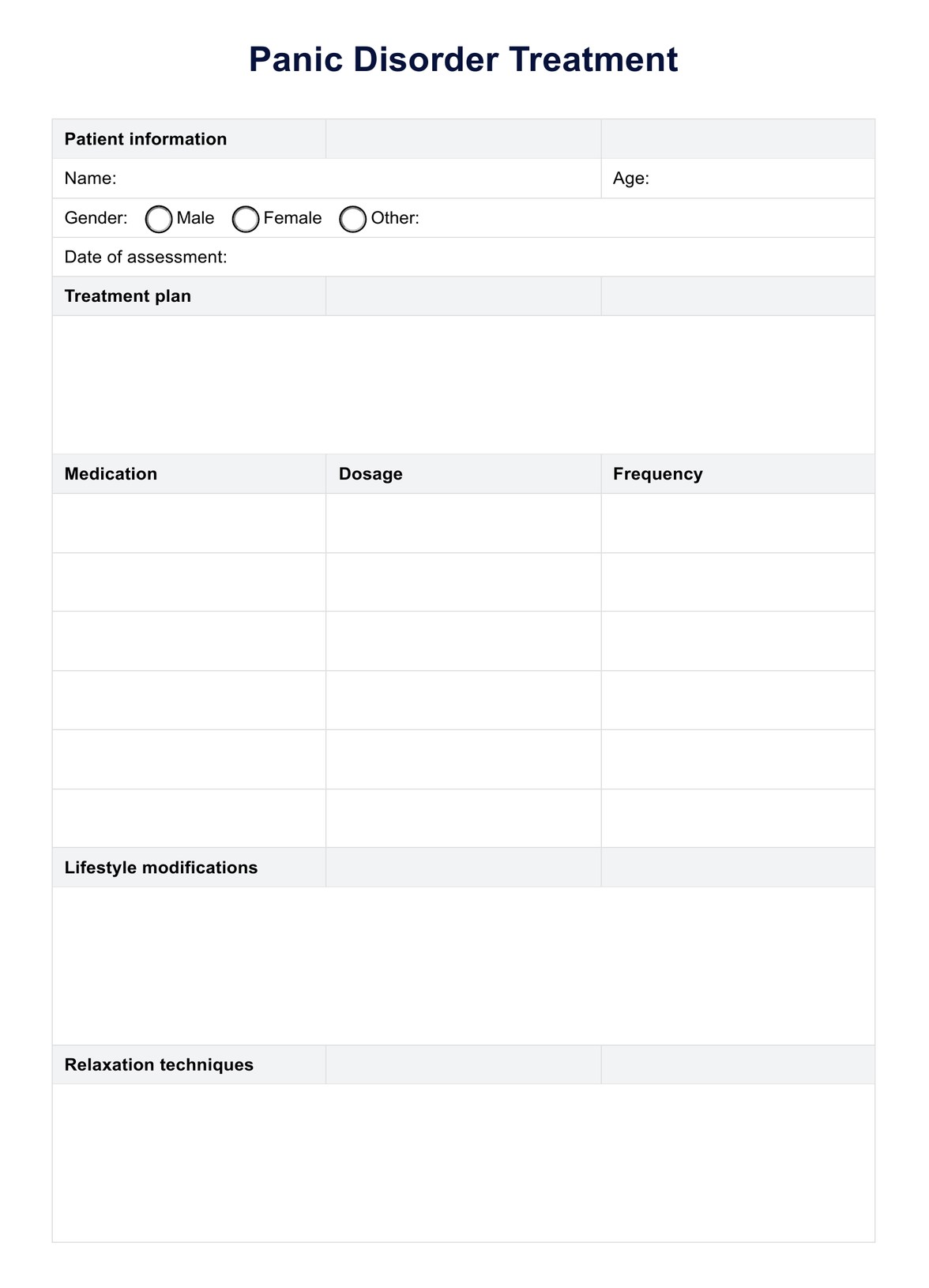
It's important to recognize that panic attacks are not dangerous in themselves, but they can be distressing and disruptive to daily life. Effective treatment of panic disorder often involves a combination of therapy, such as cognitive-behavioral therapy (CBT), and medication, including selective serotonin reuptake inhibitors (SSRIs) or benzodiazepines.
Seeking support from a mental health professional is crucial to diagnosing the panic disorder scale accurately. With the right treatment and support, individuals can learn to manage and reduce the frequency and severity of panic attacks, ultimately improving their overall mental health and quality of life.









