








What is Cognitive Behavioral Therapy?
(CBT) is a widely recognized and evidence-based therapeutic approach to address various mental health issues, including substance abuse and addiction. It is grounded in the idea that our thoughts, feelings, and behaviors are interconnected, and by changing negative thought patterns and behaviors, individuals can achieve better emotional well-being and overcome destructive habits.
In the context of substance abuse, CBT is employed to help individuals understand and modify the thoughts and behaviors that contribute to their addiction.
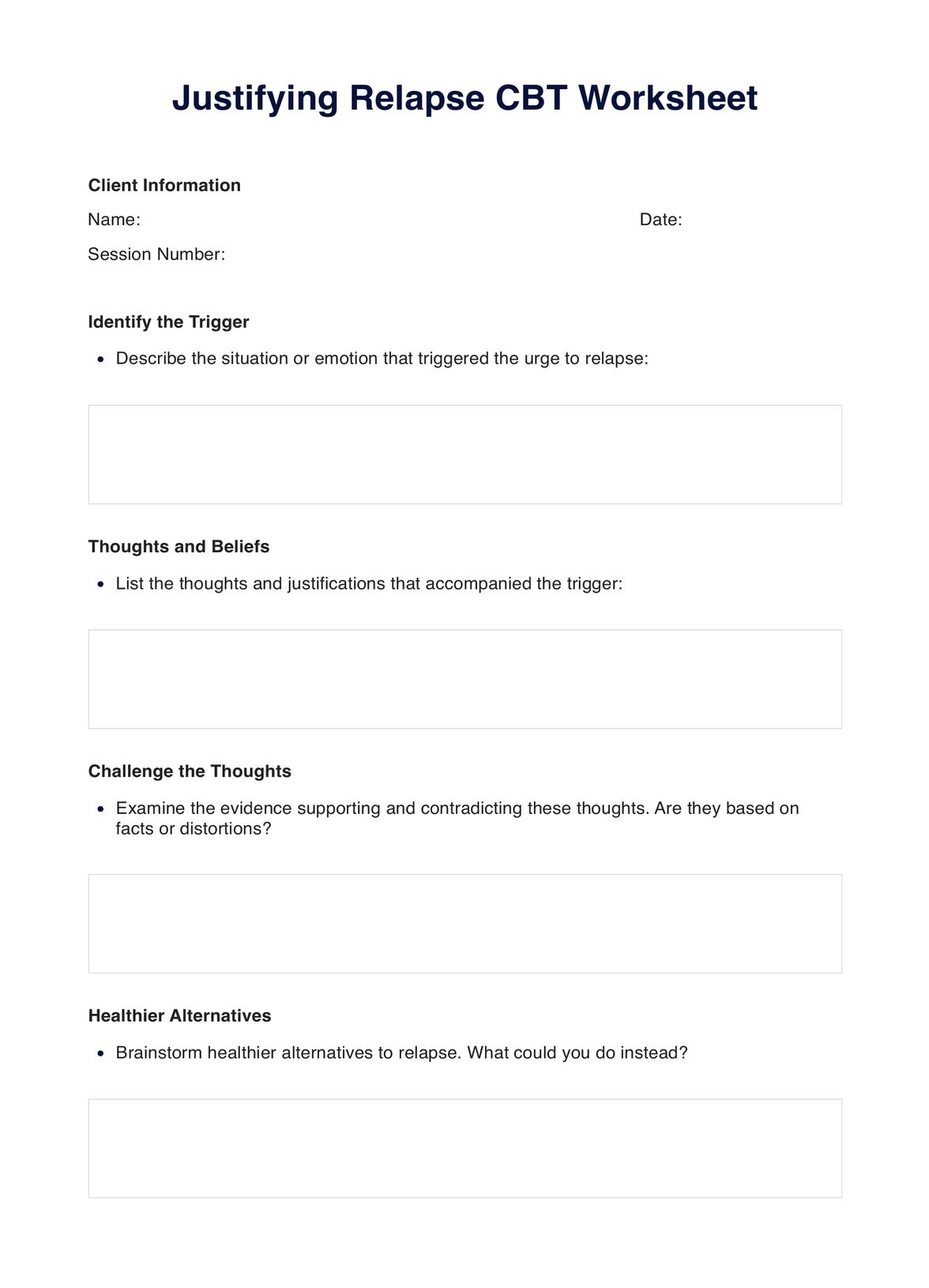
CBT helps individuals identify the specific situations, emotions, or thoughts that trigger their substance use. By recognizing these triggers, they can develop strategies to cope more effectively. Many people with substance abuse issues have negative thought patterns, such as low self-esteem or feelings of hopelessness, which can perpetuate addiction. CBT teaches individuals to challenge and replace these negative thoughts with healthier ones.
It also equips individuals with practical skills and strategies to manage cravings and avoid relapse. These may include stress-reduction techniques, problem-solving skills, and assertiveness training. Through self-monitoring, individuals learn to keep track of their substance use, triggers, and progress in recovery. This self-awareness is crucial for making positive changes.
CBT helps individuals set achievable, specific, and realistic goals for their recovery. Breaking the journey into smaller, manageable steps can enhance motivation and provide a sense of accomplishment. CBT emphasizes relapse prevention strategies, teaching individuals to recognize warning signs and develop plans to avoid relapse when faced with high-risk situations.
The therapeutic relationship between the individual and their CBT therapist is crucial. It provides a supportive environment for open communication and trust-building.









