




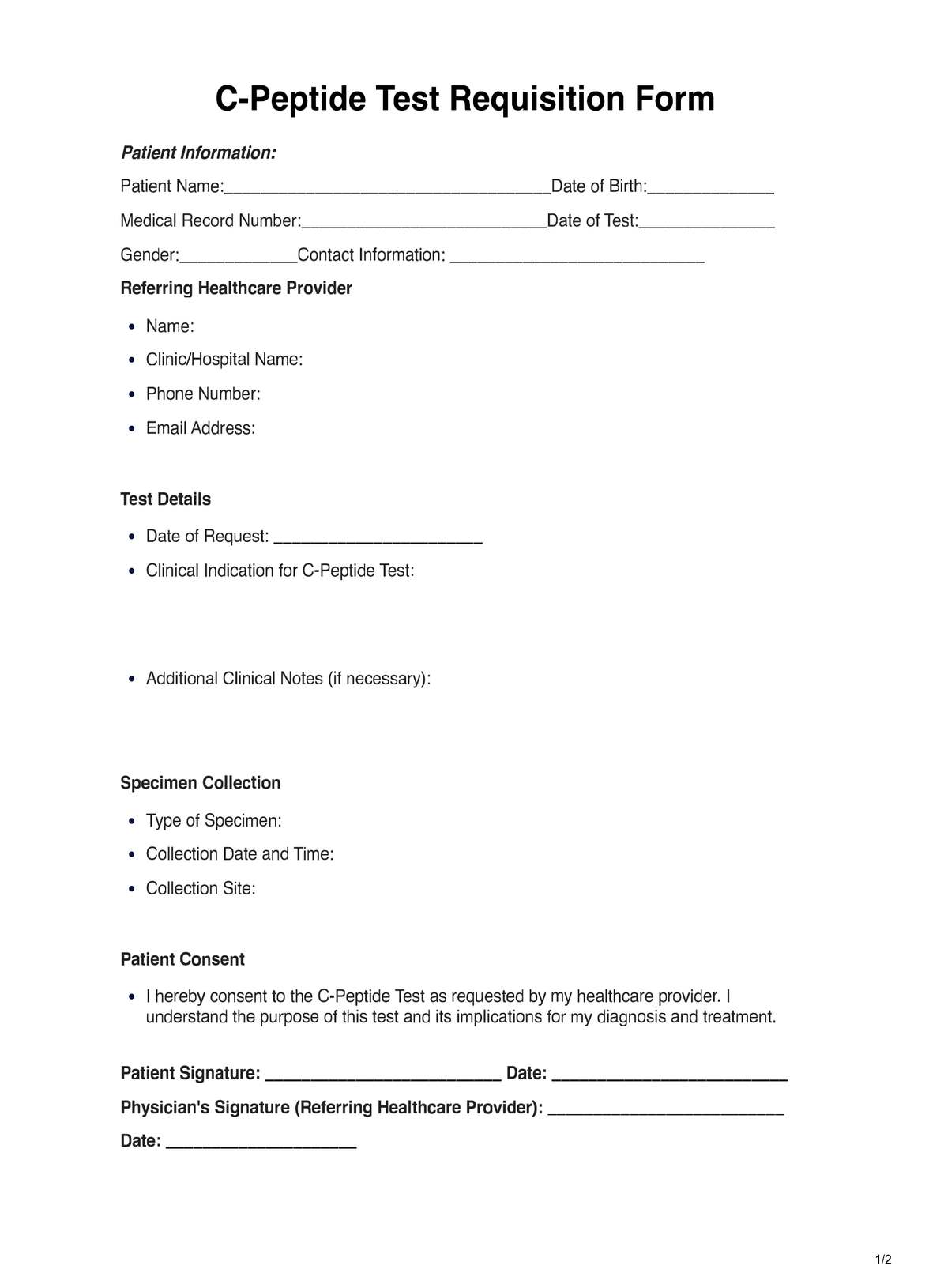




What is a C-Peptide Test?
A C-peptide test is a medical diagnostic tool used to measure the level of C-peptide in a person's blood. C-peptide is a short protein fragment produced during insulin processing in the pancreas. It is an essential marker in understanding a person's insulin production and can provide valuable information about their overall pancreatic function.
This test is typically ordered with other blood tests, such as glucose and insulin measurements, to help healthcare providers assess various aspects of diabetes management and diagnose certain medical conditions.
When the pancreas produces insulin, it initially creates a larger precursor molecule, proinsulin. Proinsulin is then split into two components: insulin and C-peptide. While insulin is released into the bloodstream and regulates blood sugar levels, C-peptide remains nearly constant.
Measuring C-peptide levels can help distinguish between different types of diabetes. In type 1 diabetes, where the body's immune system attacks and destroys pancreatic beta cells responsible for insulin production, C-peptide levels are typically low or undetectable. In contrast, in type 2 diabetes or other conditions where the pancreas is still producing insulin, C-peptide levels can be normal or elevated.
The testing can also assist healthcare providers in determining the most appropriate treatment strategies for individuals with diabetes. Those with higher C-peptide levels may respond well to medications that enhance insulin sensitivity, while those with low or undetectable C-peptide may require insulin replacement therapy.
The C-peptide test is a valuable tool in diabetes management, helping healthcare providers tailor treatment plans to individual patient needs. It aids in distinguishing between different types of diabetes, assessing pancreatic function, and optimizing therapeutic approaches to achieve better blood sugar control and overall health.









