









What does it mean to feel fatigued?
Feeling fatigued goes beyond ordinary tiredness; it is a pervasive sense of exhaustion that can affect both the mind and body. Fatigue can manifest in various ways, such as physical fatigue, where one experiences a significant decrease in physical energy and strength, and mental fatigue, which involves a reduction in cognitive function and mental sharpness. Fatigue is a common symptom in several medical conditions, including systemic lupus erythematosus, chronic fatigue syndrome, and multiple sclerosis.
Individuals with sleep disorders like sleep apnea often experience excessive daytime sleepiness, contributing to subjective fatigue—a personal perception of tiredness that can vary widely among individuals. Chronic illnesses, including stroke, can lead to poststroke fatigue, where stroke patients struggle with persistent exhaustion that impedes recovery. Fatigue is also prevalent among those undergoing chronic illness therapy fatigue, where ongoing treatment drains energy levels.
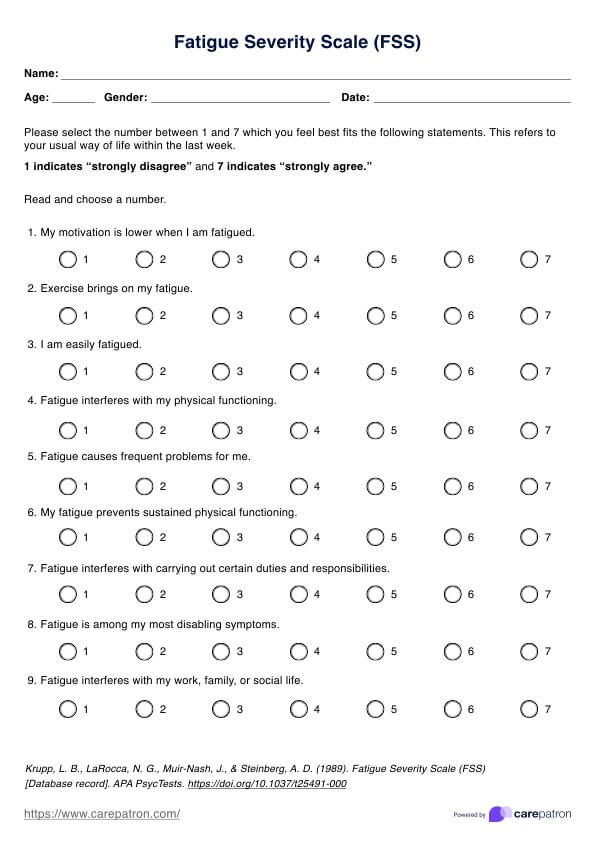
To effectively measure fatigue, healthcare practitioners use various fatigue measurement scales. These scales, such as the visual analog scale, help in quantifying the severity and impact of fatigue on daily life. Tools like fatigue scales are essential for assessing both physical tiredness and mental fatigue in patients. Accurate fatigue measurement is crucial in managing conditions like chronic fatigue syndrome and systemic lupus erythematosus, as it guides treatment and helps monitor progress. Understanding and measuring fatigue are vital steps in providing comprehensive care and improving quality of life for affected individuals.
Causes of fatigue
Fatigue can stem from a variety of factors, ranging from lifestyle choices to underlying medical conditions. Understanding the causes is crucial for effective management and treatment. Here are some common causes of fatigue:
- Lack of sleep: Insufficient sleep or poor-quality sleep can lead to excessive daytime sleepiness and physical tiredness.
- Poor diet: A diet lacking essential nutrients can decrease energy levels and fatigue.
- Stress: Chronic stress can drain energy reserves and lead to mental fatigue.
- Physical inactivity: A sedentary lifestyle can contribute to a general sense of tiredness and decreased physical stamina.
- Medical conditions: Conditions such as systemic lupus erythematosus, chronic fatigue syndrome, multiple sclerosis, and sleep disorders like sleep apnea are common culprits of persistent fatigue.
- Medications: Certain medications can have side effects that include fatigue.
- Chronic illnesses: Ongoing illnesses such as diabetes, heart disease, and chronic illness therapy fatigue can cause sustained fatigue.
- Mental health issues: Depression and anxiety are often associated with significant fatigue.
- Poststroke: Stroke patients frequently experience poststroke fatigue, which can hamper rehabilitation efforts.
Potential problems fatigue might be a sign of
Fatigue can be a symptom of several serious health issues. It often indicates underlying conditions such as anemia, which involves a deficiency in red blood cells, or hypothyroidism, where low thyroid hormone levels lead to sluggishness.
Chronic fatigue syndrome and systemic lupus erythematosus are notable for persistent, unexplained fatigue. Fatigue may also signal mental health disorders like depression and anxiety, or sleep disorders such as sleep apnea.
Additionally, it can be a symptom of chronic illnesses such as diabetes, heart disease, or multiple sclerosis and may indicate ongoing infections or poststroke complications.









