




What are spinal cord injuries?
Spinal cord injuries (SCIs) are severe physical traumas that damage the spinal cord, leading to partial or complete loss of motor function and sensation below the level of injury. SCIs can be caused by various incidents, including vehicular accidents, falls, sports injuries, and acts of violence. Additionally, non-traumatic causes of traumatic spinal cord lesions, such as tumors, infections, or degenerative diseases, can also lead to SCIs.
The symptoms of spinal cord injuries vary depending on the severity and location of the injury. Common symptoms of traumatic spinal cord injury include loss of movement, sensation, bladder or bowel control, exaggerated reflex activities or spasms, changes in sexual function, pain or intense stinging sensations, and difficulty breathing. The extent of these symptoms can greatly impact a patient's daily life, requiring significant adaptations and support.
SCIs are classified into two main types: complete and incomplete. In a complete SCI, there is a total loss of sensory and motor function below the injury site. In an incomplete SCI, there is some degree of retained function below the injury. The classification and level of injury are crucial for determining the prognosis and rehabilitation needs.
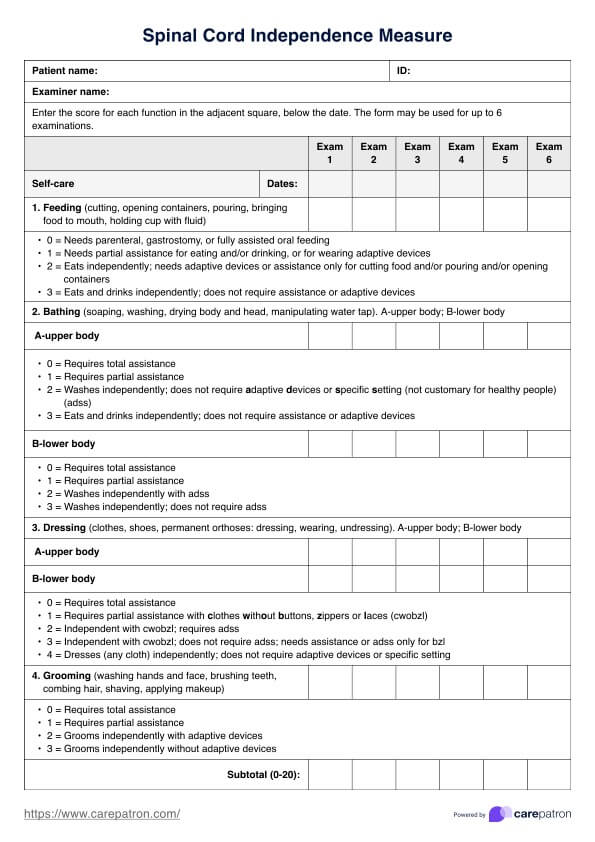
The impact of spinal cord injuries on daily living is profound. Individuals with SCIs may require assistance with basic activities such as bathing, dressing, and mobility. Adaptations in the home environment and using assistive devices are often necessary to enhance independence. Comprehensive rehabilitation programs play a vital role in maximizing functional abilities and improving the quality of life for individuals with SCIs.









