





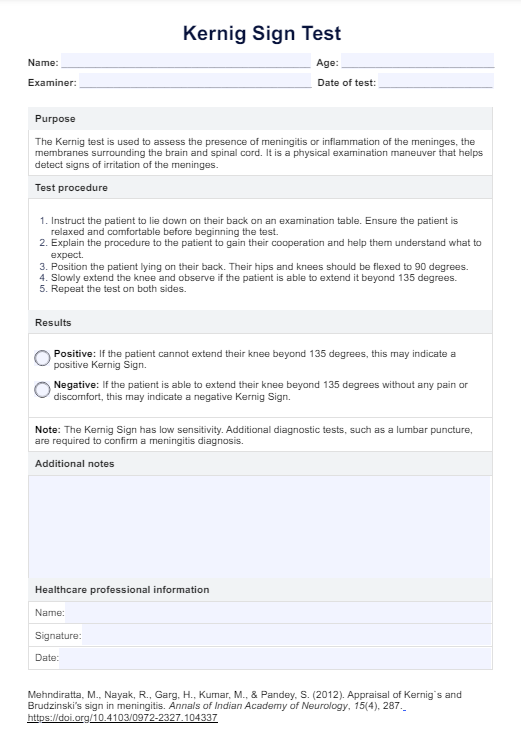




What is meningitis?
Meningitis is a serious medical condition that refers to the inflammation of the protective membranes surrounding the brain and spinal cord. These membranes are known as the meninges, hence the name meningitis.
The inflammation of the meninges is usually caused by an infection, most commonly bacterial or viral. In some cases, it can also be caused by fungal infections or non-infectious causes such as certain medications or autoimmune disorders.
Meningitis can spread through different means depending on the type of infection causing it. Bacterial meningitis can spread through respiratory droplets when an infected person coughs or sneezes, while viral meningitis can spread through contact with contaminated bodily fluids.
Meningitis symptoms
Symptoms of meningitis can develop suddenly and may include:
- Severe headache
- Stiff neck
- High fever
- Sensitivity to light (photophobia)
- Nausea and vomiting
- Confusion or difficulty concentrating
- Seizures
In some cases, more severe symptoms, such as confusion and seizures, may raise suspicion of the condition and require further diagnostic testing.
Causes of meningitis
The primary causes of meningitis include:
- Bacterial infections: Streptococcus pneumoniae, Neisseria meningitidis, and Haemophilus influenzae.
- Viral infections: Enteroviruses, herpes simplex virus, and mumps virus.
- Fungal infections: Cryptococcus and Histoplasma.
Potential problems meningitis may cause
If not treated promptly, meningitis can lead to serious complications, such severe symptoms such as:
- Brain damage
- Hearing loss
- Learning disabilities
- Seizures
- Hydrocephalus (fluid buildup in the brain)
- Death









