





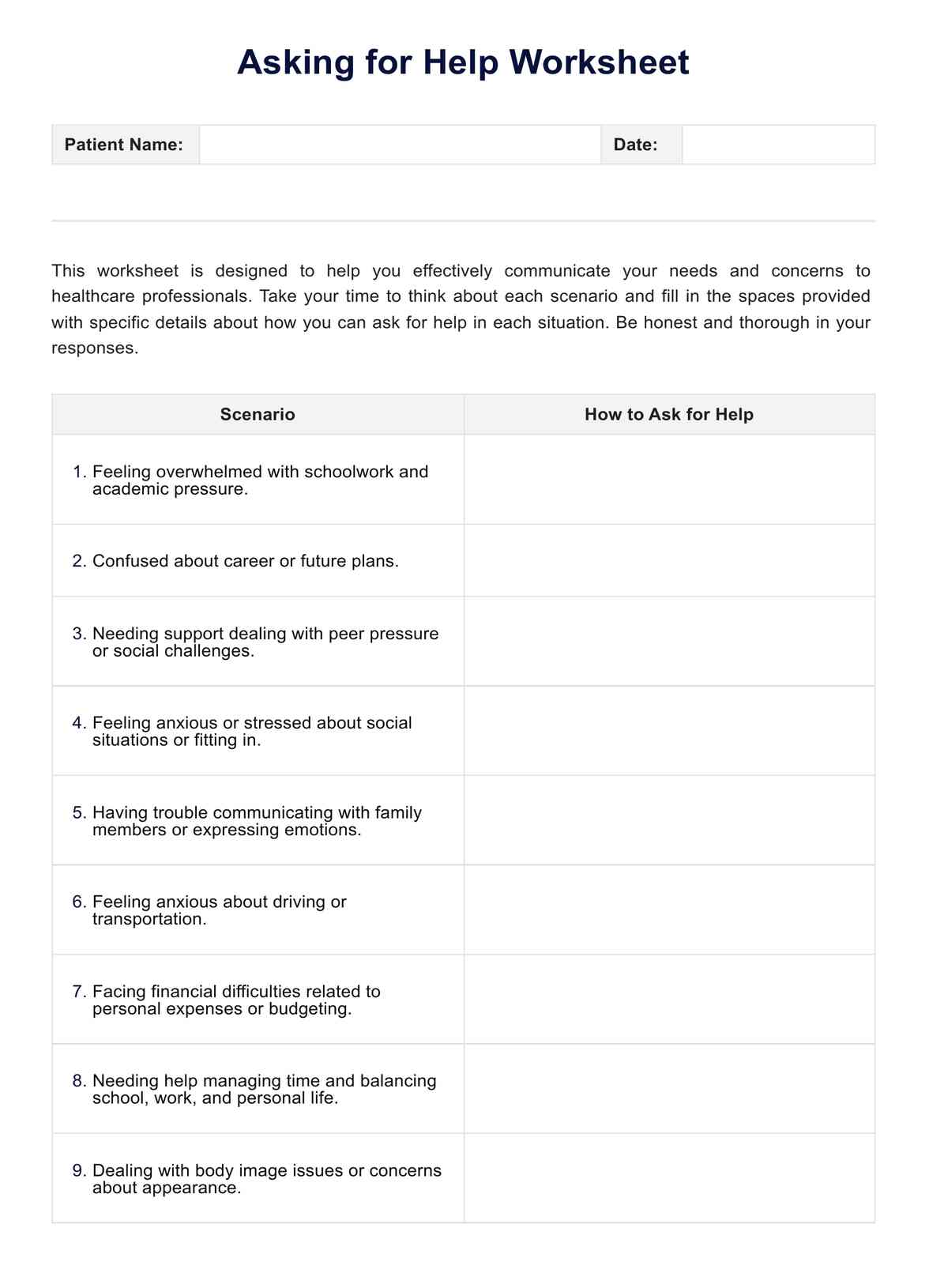




Why is learning to ask for help important?
A student encounters a challenging math problem in class. Confusion sets in, accompanied by a tightening knot of anxiety. Despite attempting to solve it independently, they increasingly need help. The fear of judgment or appearing incompetent stifles any inclination to seek assistance. This struggle highlights the significance of learning to ask for help.
Practicing the art of asking for help is essential in academic settings and real-life situations. From navigating new job responsibilities to managing personal relationships or addressing mental health concerns, knowing when and how to seek assistance can make a significant difference.
In school, teaching children the importance of seeking assistance extends beyond academic proficiency. It nurtures essential social skills and fosters a growth mindset. By encouraging students to ask for help, educators cultivate self-awareness and resilience, empowering them to confront challenges confidently.
One effective strategy in this regard is the use of social stories. These narratives and ideas present relatable scenarios and model appropriate responses, helping students understand the value of seeking assistance when needed. What's more, creating a supportive environment where students feel safe to ask for help is crucial. Building a trust and open communication culture motivates students to reach out to a trusted adult or peer for guidance to help them accomplish their tasks.
Asking for help equips individuals with invaluable skills and a mindset conducive to overcoming obstacles. By instilling this principle early on and providing opportunities for practice and reinforcement, we empower individuals to navigate life's complexities with resilience and confidence.









