
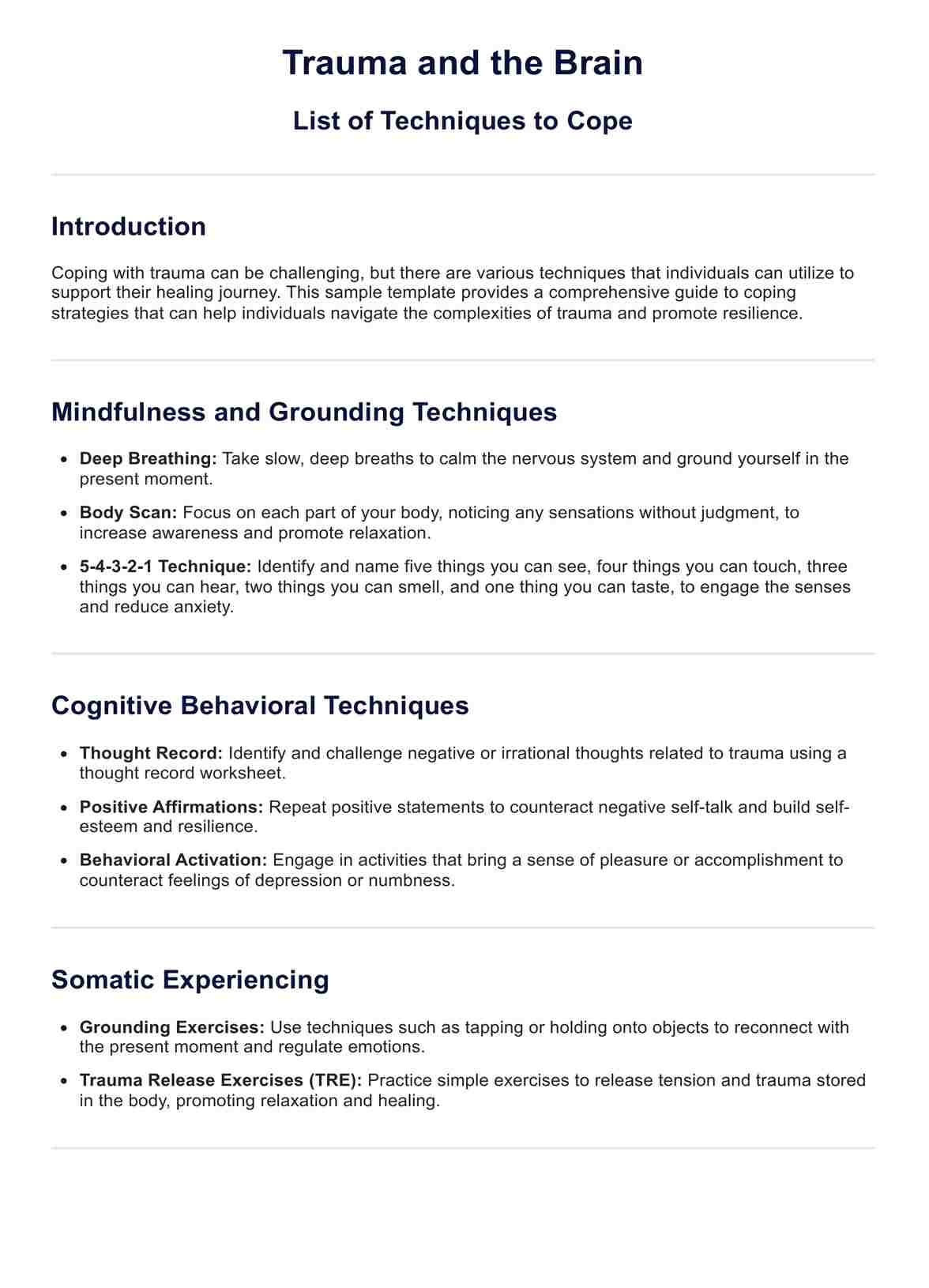




Understanding trauma's impact on the brain
Traumatic events have a profound effect on the brain, reshaping its function and structure in significant ways. When we talk about trauma and the brain, it's essential to understand how the brain responds to these experiences.
At the core of this response is the amygdala, a small but powerful region of the brain responsible for processing emotions, particularly fear and threat detection. During a traumatic event, the amygdala becomes hyperactive, heightening our senses and preparing us to respond to danger. This heightened state of arousal can persist long after the traumatic event has ended, leading to persistent feelings of anxiety and hypervigilance.
Another key player in trauma and the brain is the prefrontal cortex, which is responsible for regulating emotions and decision-making. Trauma can impair the functioning of the prefrontal cortex, making it difficult for individuals to regulate their emotions and make rational decisions. This can manifest as emotional dysregulation, impulsivity, and difficulty in managing stress.
Furthermore, trauma can have detrimental effects on the hippocampus, a brain structure crucial for memory processing. The hippocampus helps us encode and retrieve memories, but exposure to trauma can interfere with its functioning, leading to fragmented or distorted memories of the traumatic event. This can contribute to the development of conditions like post-traumatic stress disorder (PTSD), where intrusive memories of the trauma intrude into daily life.









