









Introduction to central nervous system disorders
The central nervous system (CNS) is the body's command center, comprising the brain and spinal cord. Disorders affecting the CNS can profoundly impact a person's daily functioning and overall health. These disorders encompass a wide range of conditions, including neurodegenerative diseases like Alzheimer's and Parkinson's, traumatic injuries such as spinal cord injuries, infectious diseases like meningitis and encephalitis, and autoimmune disorders such as multiple sclerosis.
Neurological disorders often manifest through various symptoms, including changes in sensation, movement, cognition, and behavior. They can result from genetic predispositions, environmental factors, infections, or immune system dysregulation.
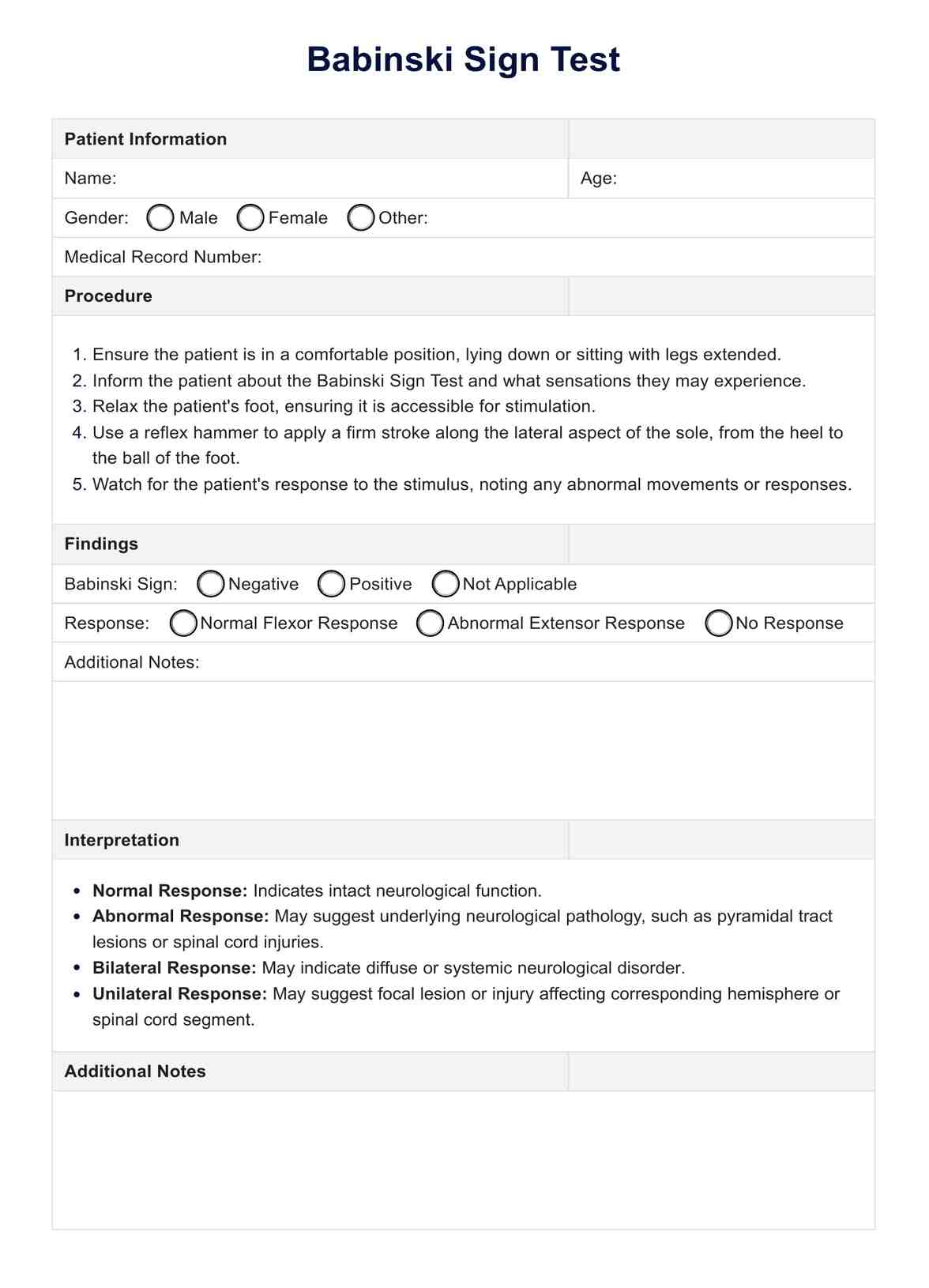
Diagnosing CNS disorders requires a comprehensive evaluation by healthcare professionals, often involving a combination of medical history assessments, physical examinations, neurological tests, and imaging studies. Prompt and accurate diagnosis is crucial for initiating appropriate treatment and management strategies to mitigate symptoms and improve quality of life.









