




Understanding gender roles
Gender roles are societal expectations dictating how individuals should behave differently based on their gender, shaped by gender socialization from an early age. These roles often lead to gender stereotypes, which can limit opportunities for both men and women in their own lives.
Understanding gender roles is crucial in healthcare as they significantly influence patient care and treatment outcomes. For instance, women often encounter barriers when seeking healthcare services due to cultural norms that dictate their responsibilities, primarily as caregivers. Conversely, men may feel societal pressure to be stoic, which can hinder their willingness to seek help for health issues.
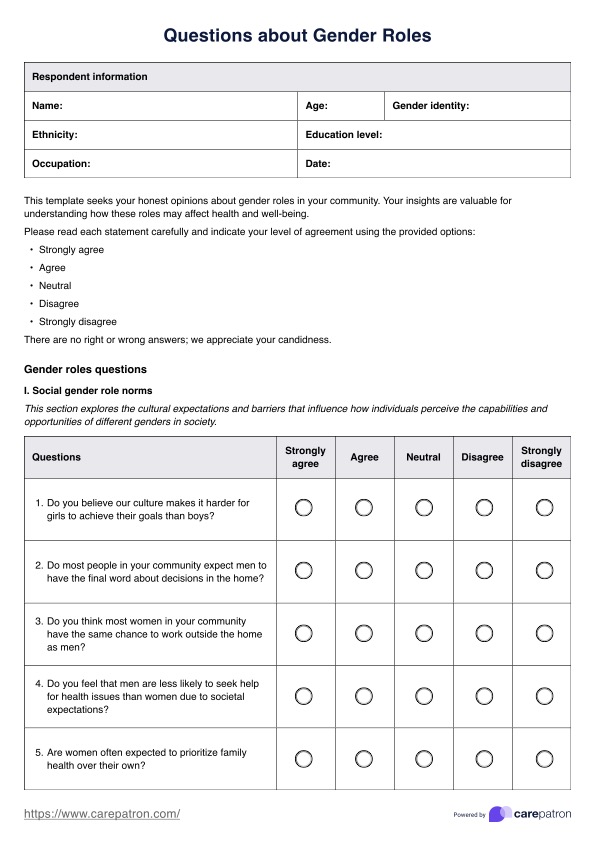
Healthcare professionals must recognize the influence of gender roles on patient interactions. Engaging with patients through discussion questions about their gender-related life experiences can foster understanding and support. Additionally, promoting gender equity within healthcare can enhance representation and improve care strategies that address the unique challenges of different genders.









