









What is domestic violence?
Domestic violence, often referred to as intimate partner violence or family violence, encompasses a range of harmful behaviors within intimate relationships or households. It's not limited to physical violence but also includes emotional, sexual, and psychological abuse. This form of abuse can occur in any relationship, regardless of gender, age, or socioeconomic status.
Key elements of domestic violence include physical abuse, where one partner uses force to harm the other, and emotional abuse, which involves manipulation, threats, and control tactics. Sex abuse is also prevalent, encompassing any unwanted sexual activity or coercion within the relationship. Children in these households often witness or experience abuse, leading to long-term psychological trauma.
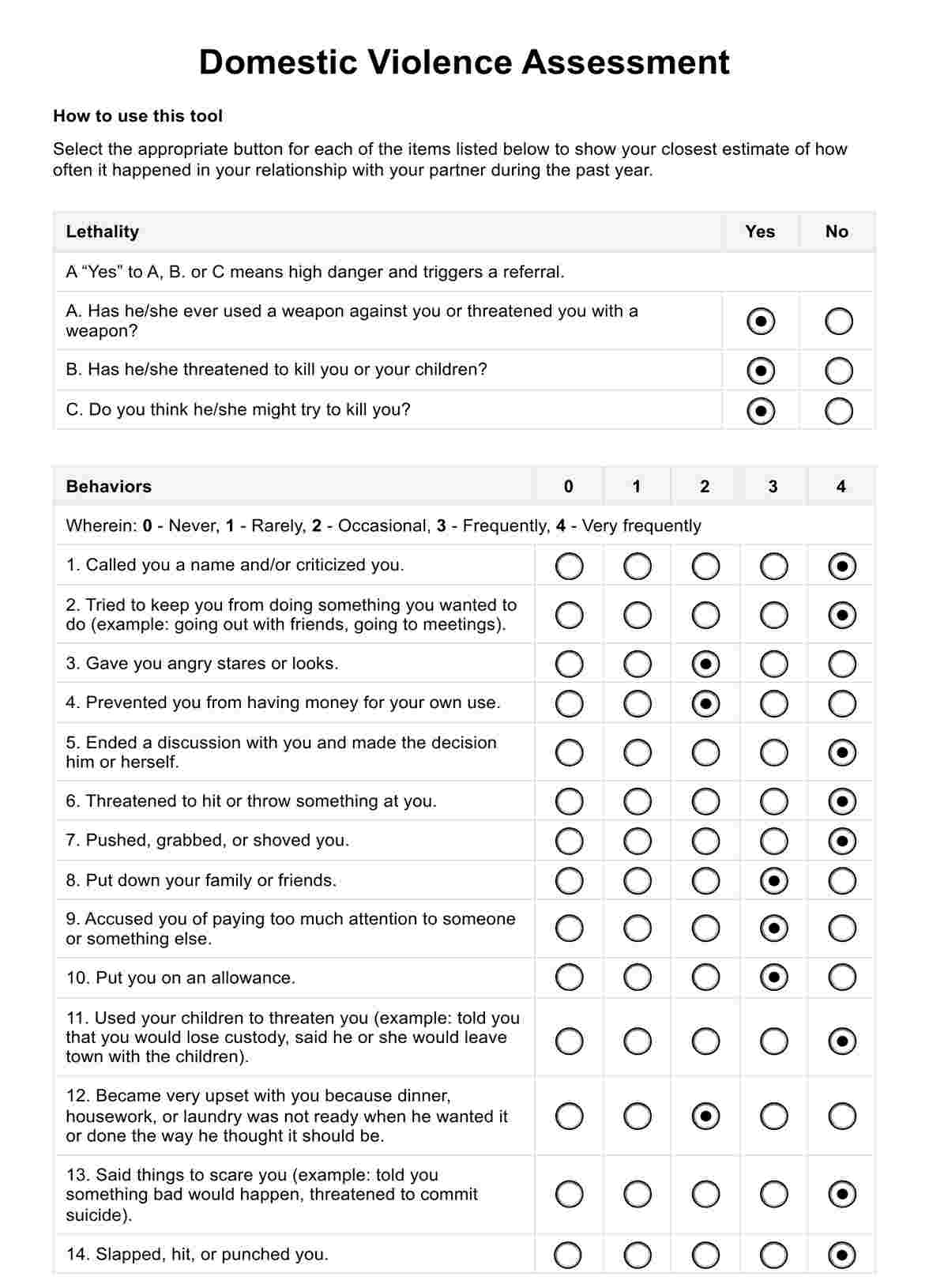
The effects of domestic violence extend beyond immediate harm, often leading to severe mental health issues, substance abuse problems, and even intimate partner homicide. Recognizing the risk factors and understanding the dynamics of abuse are crucial for intervention and prevention efforts. Assessment tools like danger assessment and risk assessment, along with police reports and involvement of the criminal justice system, play vital roles in identifying and addressing domestic violence cases.
What constitutes domestic violence?
Domestic violence encompasses various forms of abuse within intimate relationships or households. Understanding what constitutes domestic violence is essential for recognizing and addressing abusive behaviors effectively. Here are the key components:
- Physical violence: Any form of physical harm or force inflicted on a partner or family member.
- Emotional and psychological abuse (including coercive control): Manipulative behaviors, threats, gaslighting, isolation, intimidation, humiliation, and control tactics aimed at undermining the victim's self-esteem and autonomy. This often involves establishing dominance over the victim through ongoing abuse.
- Sexual abuse: Non-consensual sexual activity or coercion within the relationship.
- Financial abuse: Controlling finances, withholding access to money, or sabotaging the victim's financial independence.
- Digital abuse: Using technology to monitor, harass, or control the victim, such as through cyberstalking or harassment.
- Stalking: Persistent and unwanted attention or surveillance, either in person or through other means.
- Neglect: Failing to provide necessary care and support, leading to harm or endangerment of the victim or children.
- Spiritual abuse: Using religious beliefs or practices to manipulate, control, or justify abusive behaviors.
Dangers of domestic violence
Domestic violence poses severe dangers to victims and their families, extending beyond immediate physical harm. Victims often suffer from long-term psychological trauma, including anxiety, depression, and post-traumatic stress disorder.
Children exposed to domestic violence are at risk of developmental delays, behavioral problems, and perpetuating the cycle of abuse in their future relationships. Moreover, domestic violence increases the risk of intimate partner homicide, with abusers controlling and manipulating their victims to maintain power and control.
Recognizing these dangers is crucial for effective intervention and support to break the cycle of abuse and ensure the safety and well-being of survivors.









