








What is Trauma and PTSD?
Trauma and PTSD (Post-Traumatic Stress Disorder) are complex psychological conditions often triggered by distressing or life-threatening events. Trauma can result from experiences such as accidents, violence, combat, abuse, or natural disasters. When individuals struggle to cope with the emotional aftermath of trauma, they may develop PTSD.
PTSD is characterized by symptoms that can include flashbacks, nightmares, hypervigilance, avoidance, and intense distress when reminded of the traumatic event. It can significantly impact daily life, relationships, and overall well-being.
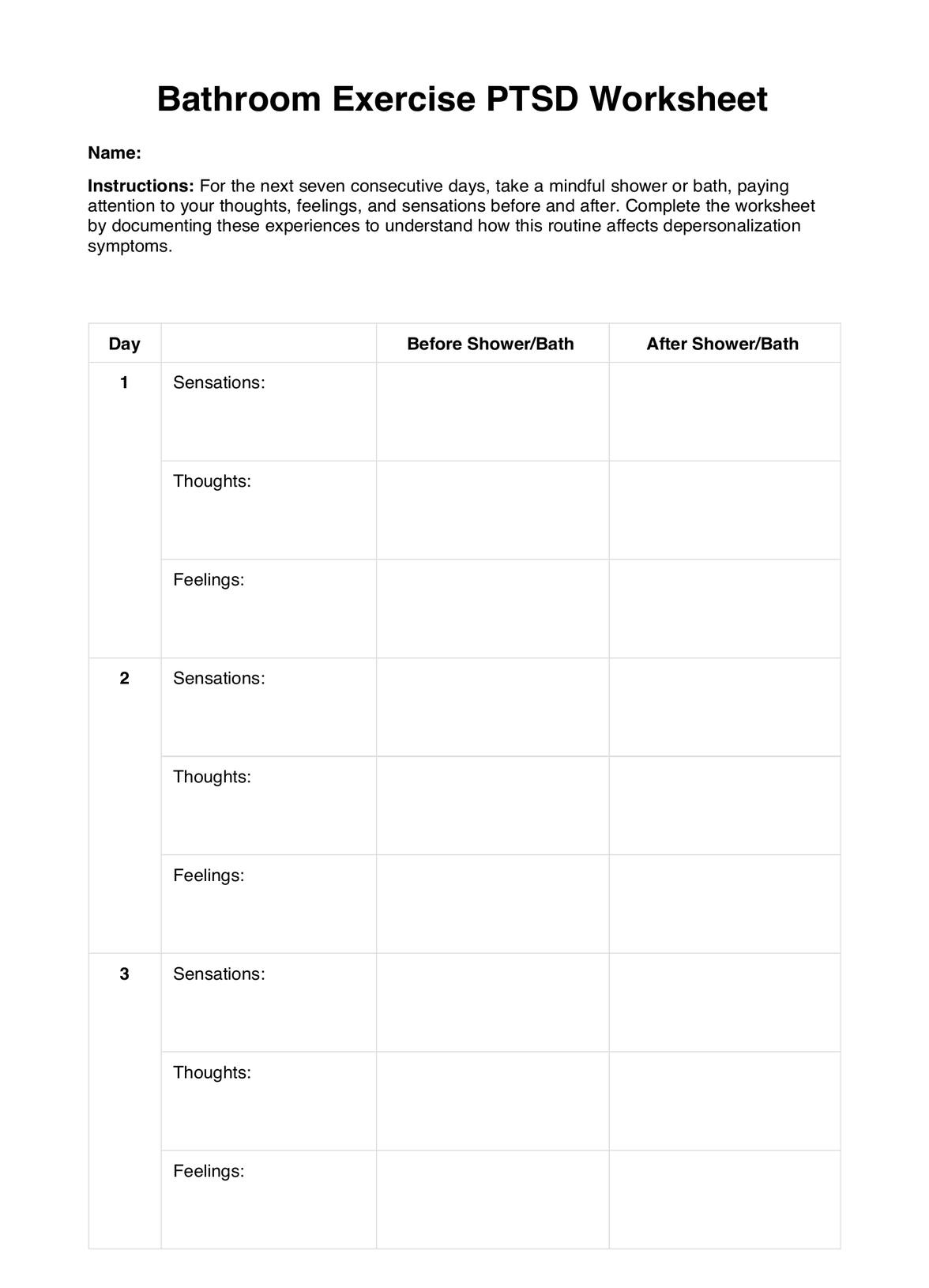
Depersonalization is a dissociative symptom sometimes associated with PTSD. It involves feeling disconnected from oneself as if observing one's thoughts, feelings, and actions from a distance. Individuals with depersonalization may experience a sense of unreality or detachment from their bodies and emotions, which can be distressing.
In the context of PTSD, depersonalization often serves as a coping mechanism. It can help individuals distance themselves from traumatic memories' overwhelming emotional and sensory aspects. However, while it may provide temporary relief, depersonalization can hinder the natural processing of trauma and may require therapeutic intervention.









