




What is Trauma and PTSD?
Trauma is a deeply distressing or disturbing experience that profoundly impacts an individual's mental, physical, and emotional health. It could stem from a single event or repeated overwhelming stress. The effects of trauma can linger long after the traumatic incident has passed, affecting various aspects of an individual's life.
Post Traumatic Stress Disorder (PTSD), on the other hand, is a specific psychiatric disorder that may develop in individuals who have experienced or witnessed a traumatic event. PTSD is not merely an extension of the trauma but a distinct condition characterized by symptoms such as recurrent, intrusive thoughts about the event, flashbacks, nightmares, and severe anxiety.
However, it's crucial to understand that experiencing trauma does not necessarily lead to PTSD; the development of this disorder depends on various factors, including the individual's response to the event, their support system, and their resilience.
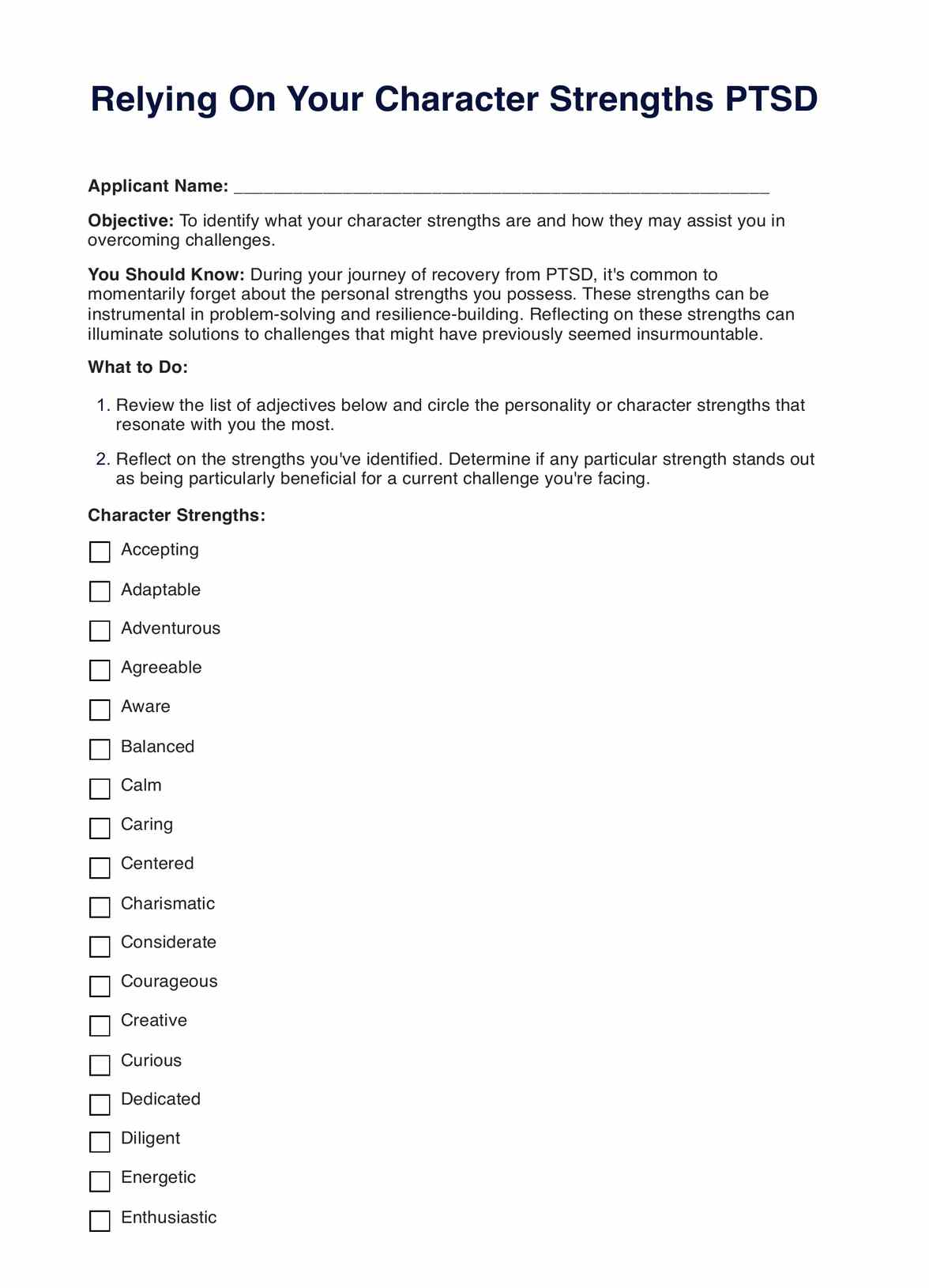
Resilience, in the context of PTSD, refers to the ability to bounce back from adversity or adapt positively in the face of trauma, tragedy, or significant stress. This ability is not innate but can be developed over time through various strategies.
Building resilience can help individuals with PTSD manage their symptoms, recover, and improve their daily functioning. To learn more about PTSD and effective strategies for managing it, explore our comprehensive PTSD resources, designed to support individuals on their journey to recovery.









