









What is Trauma and PTSD?
Trauma is a psychological and emotional response to an overwhelmingly distressing event or series of events that can profoundly impact an individual's well-being. Traumatic experiences can vary widely, including accidents, natural disasters, physical or emotional abuse, combat, or witnessing violence. These events can disrupt one's sense of safety, control, and equilibrium, leaving behind emotional scars.
is a specific mental health condition that may develop in some individuals after experiencing a traumatic event. It manifests as a cluster of symptoms, including intrusive and distressing memories, nightmares, flashbacks, intense emotional reactions, avoidance of trauma reminders, and heightened anxiety or arousal. PTSD can be debilitating, affecting the individual's mental health, daily functioning, and relationships.
Reclaiming life in the context of PTSD refers to healing and rebuilding one's sense of self and security after trauma. It involves seeking therapeutic help, support from loved ones, and various coping strategies to manage symptoms and regain control and normalcy. This journey can be challenging, but individuals with PTSD must regain their independence, self-esteem, and overall quality of life.
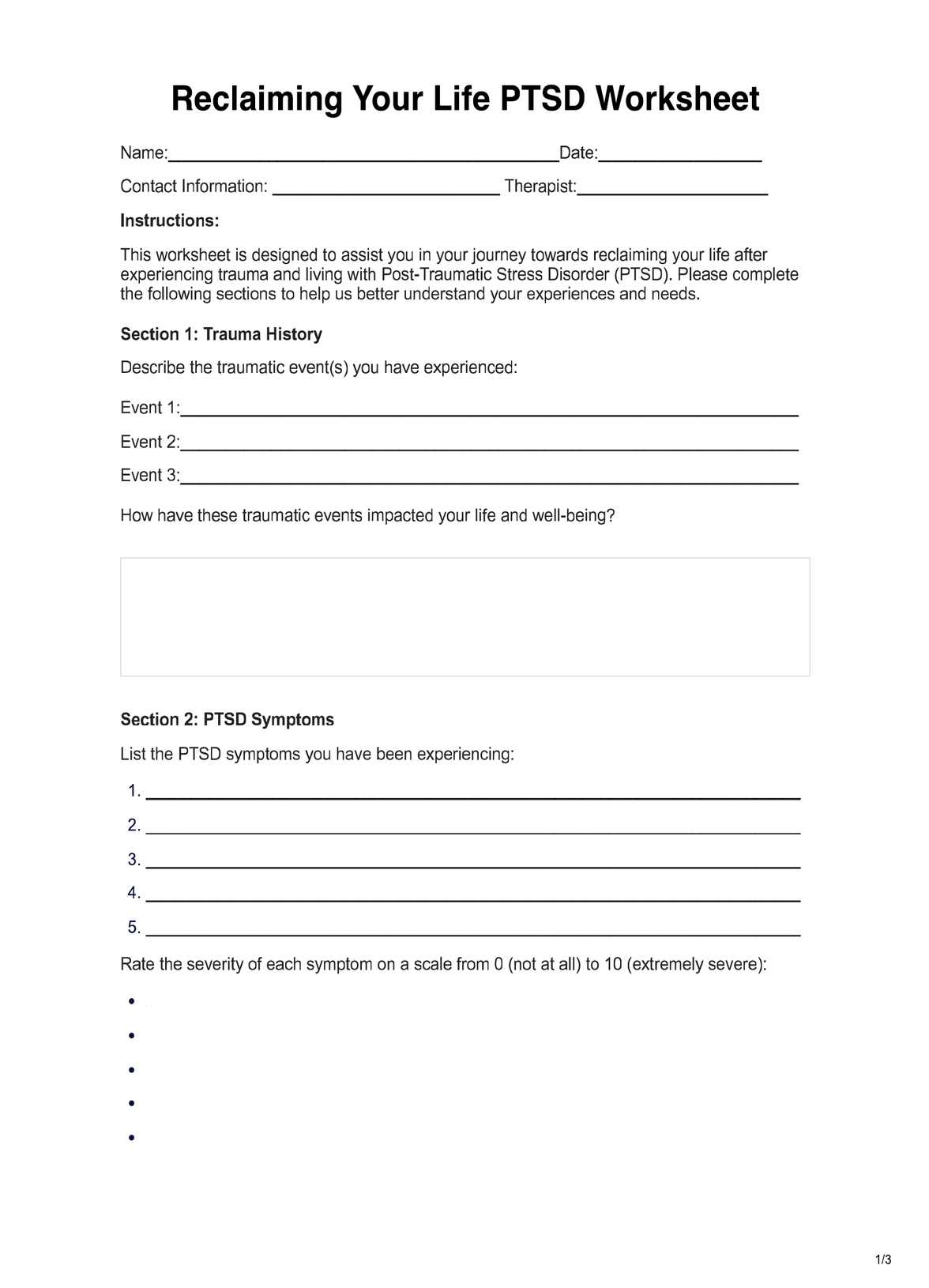
Recovery from PTSD often involves therapies like cognitive-behavioral therapy (CBT), exposure therapy, and medication in some cases. Additionally, self-help tools like worksheets, mindfulness exercises, and stress management techniques can be valuable resources in reclaiming life post-trauma. It's important to understand that healing is a unique process for each individual.
With the proper support and tools, it is possible to move beyond the grip of trauma and PTSD, ultimately regaining a sense of empowerment and well-being.









