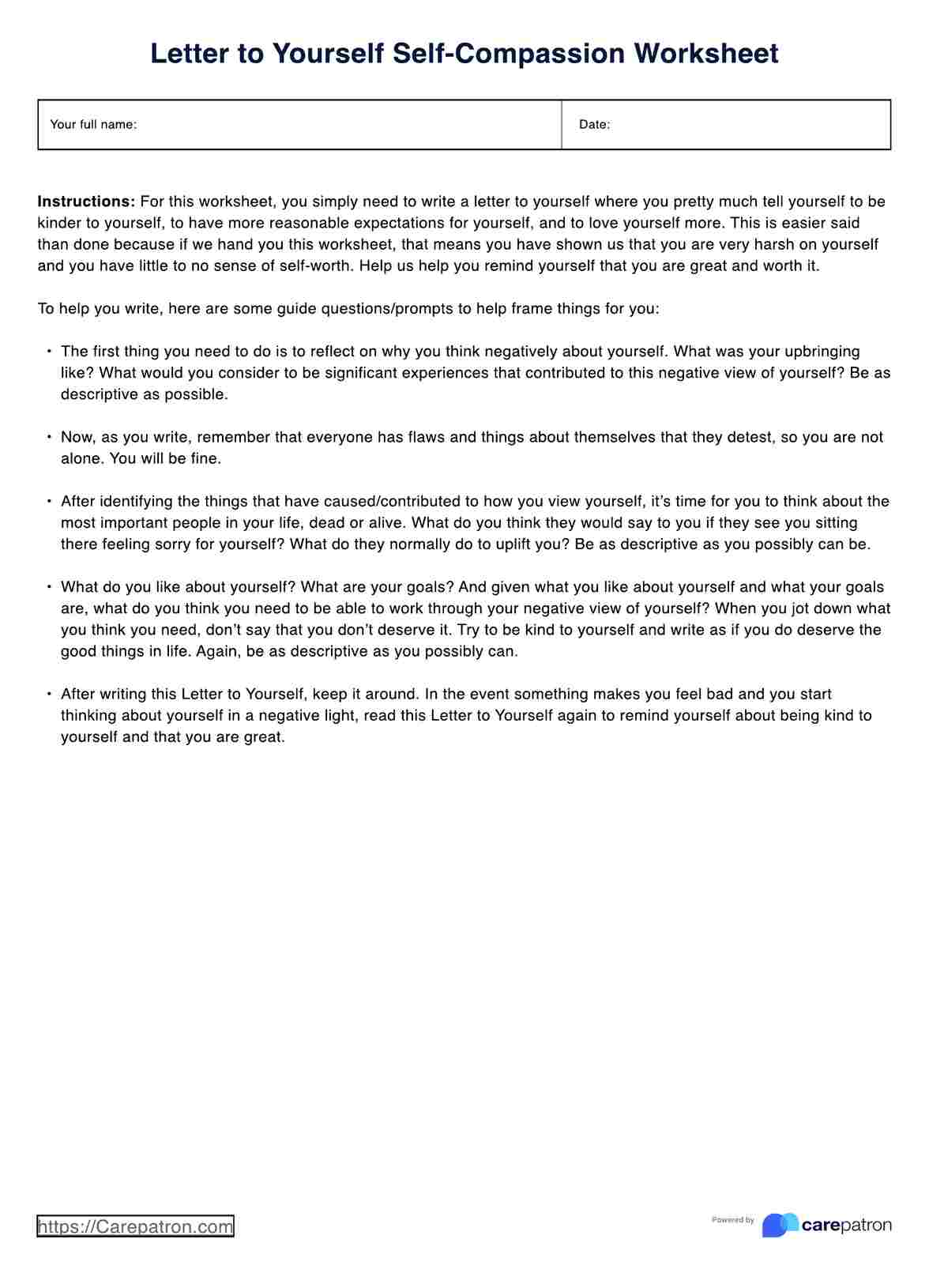
Self-compassion exercises
Self-compassion exercises are vital tools healthcare professionals can introduce to their patients to enhance emotional well-being and resilience. Some individuals follow the Mindful Self-Compassion (MSC) program Dr. Christopher Germer and Dr. Kristin Neff developed. This program combines mindfulness and self-compassion techniques to build emotional resilience, using materials like The Mindful Self-Compassion Workbook and Teaching the Mindful Self-Compassion Program.
For a start, here are some practical self-compassion exercises you may use during sessions:
1. Mindful self-compassion break
This involves taking a self-compassion pause, recognizing one's feelings, and responding to oneself with kindness. When faced with a stressful situation, one can silently acknowledge the struggle ("This is hard"), remind themselves that difficulty is part of life ("Everyone struggles"), and offer words of kindness to themselves ("May I be kind to myself at this moment").
2. Self-compassion journaling
Keeping a self-compassion journal about daily challenges and negative emotions can help individuals process their feelings. Guide them to write about their struggles with a compassionate and understanding tone, focusing on being non-judgmental and kind to themselves.
3. Loving-kindness meditation
Loving-kindness meditation focuses on developing feelings of goodwill, kindness, and warmth towards oneself and others. Patients can start by directing kind thoughts towards themselves ("May I be happy, may I be healthy") and then gradually extend these wishes to others.
4. Identifying and challenging self-critical thoughts
Help highly self-critical patients recognize when they are engaging in critical self-talk and guide them to challenge and reframe these thoughts more compassionately and realistically. Encouraging self-love is integral to fostering self-compassion, allowing patients to embrace and appreciate their intrinsic worth.
5. Practicing gratitude
Encouraging gratitude can shift focus from criticism to appreciation. Suggest that patients maintain a gratitude journal, noting things they appreciate about themselves each day.