




What is narcissism?
Narcissism is a personality trait characterized by an inflated sense of self-importance, a deep need for excessive attention and admiration, and a lack of empathy for other people's feelings. In its extreme form, narcissism can manifest as Narcissistic Personality Disorder (NPD), a mental disorder that significantly impacts an individual's relationships and overall functioning (Grapsas et al, 2020).
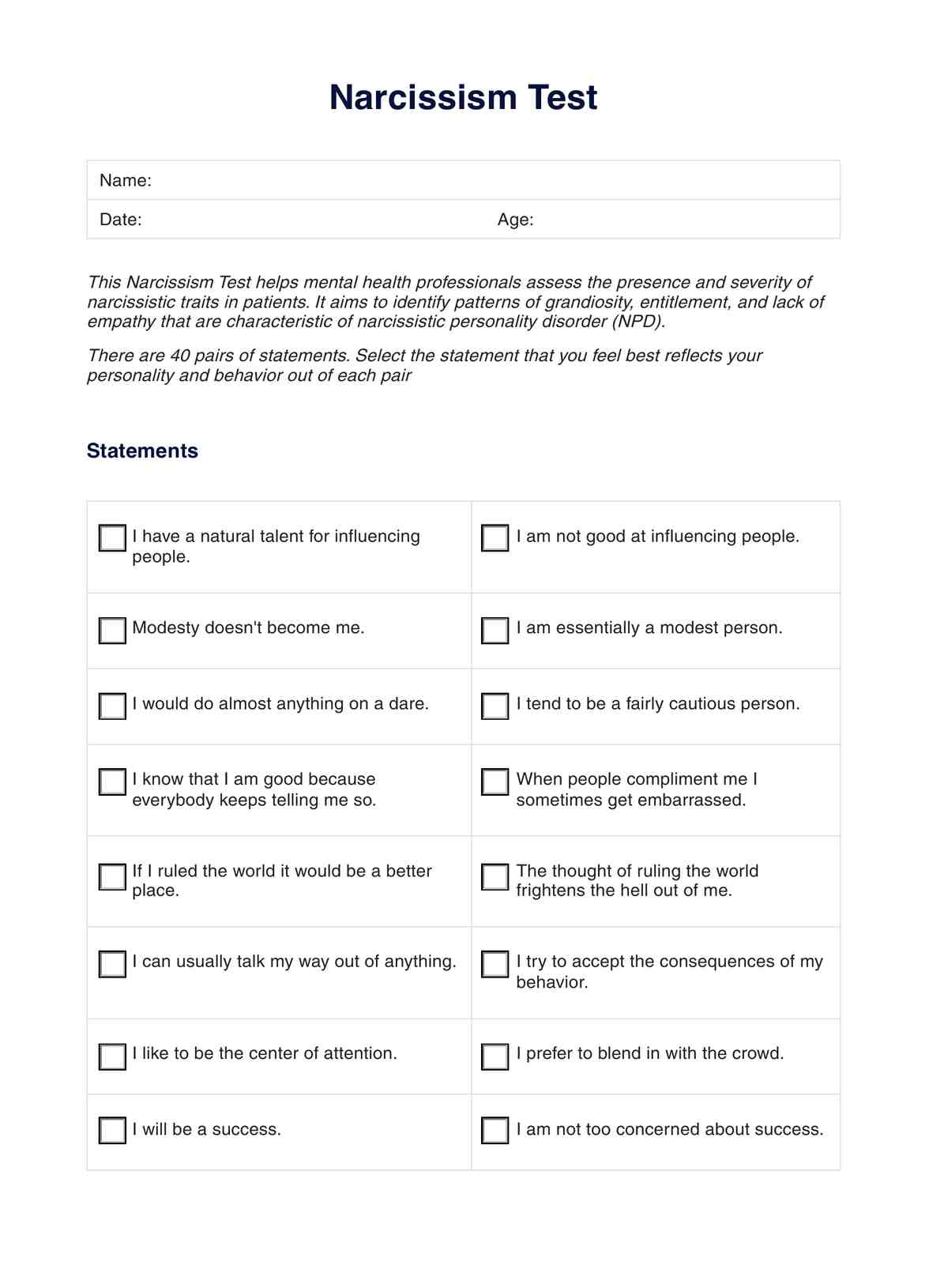
The concept of narcissism has its roots in Greek mythology, where a young man named Narcissus fell in love with his own reflection. In the late 19th and early 20th centuries, the term began to be used in psychology to describe self-centeredness and self-admiration. Research on narcissism has evolved over the years, with the introduction of various theories and assessment tools, including the Narcissistic Personality Inventory (NPI), which measures narcissistic traits on a continuum.
Narcissism is considered one of the dark triad personality traits, along with Machiavellianism and psychopathy, which are associated with a lack of morality, empathy, and a tendency to manipulate others for personal gain. While everyone may exhibit narcissistic traits to some degree, individuals with NPD have a grandiose sense of self that permeates their thoughts and behaviors, often leading to dysfunctional relationships and difficulties in various areas of life (Holtzman et al., 2010).









