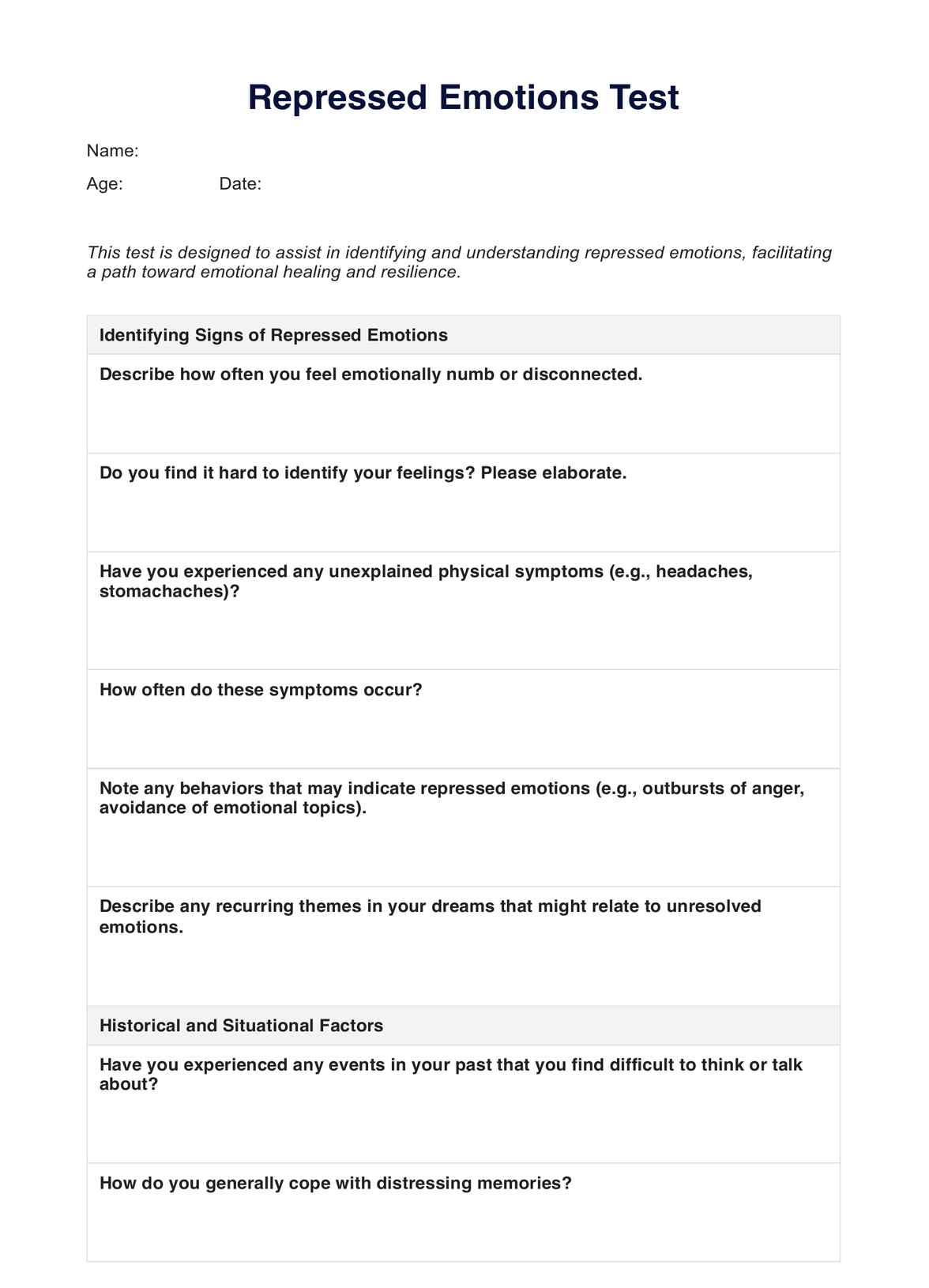




What are repressed emotions?
Repressed emotions refer to feelings that individuals unconsciously push away or avoid, often due to various factors like childhood trauma, societal expectations, or personal beliefs. Unlike suppression, where one deliberately tries not to think about specific thoughts or feelings, repression happens without the person's conscious knowledge. These emotions, though hidden, don't vanish; instead, they linger in the subconscious and can subtly influence behavior and mental well-being.
The concept of emotional repression dates back to the early work of Sigmund Freud. Freud posited that repression serves as a defense mechanism, allowing individuals to cope with trauma or anxiety-inducing thoughts by pushing them out of conscious awareness. This theory laid the groundwork for understanding how unresolved emotions could impact mental health.
Modern psychology continues to explore emotional repression, often with a focus on its long-term effects. While repression can temporarily alleviate emotional pain, it can lead to psychological distress over time. Unaddressed repressed emotions can manifest in various mental health issues, affect relationships, and impact the overall quality of life.
Consequently, recognizing and addressing these hidden emotions are critical steps in therapeutic processes and personal growth. Understanding repressed emotions helps heal past wounds and plays a crucial role in improving one's emotional intelligence and resilience.