





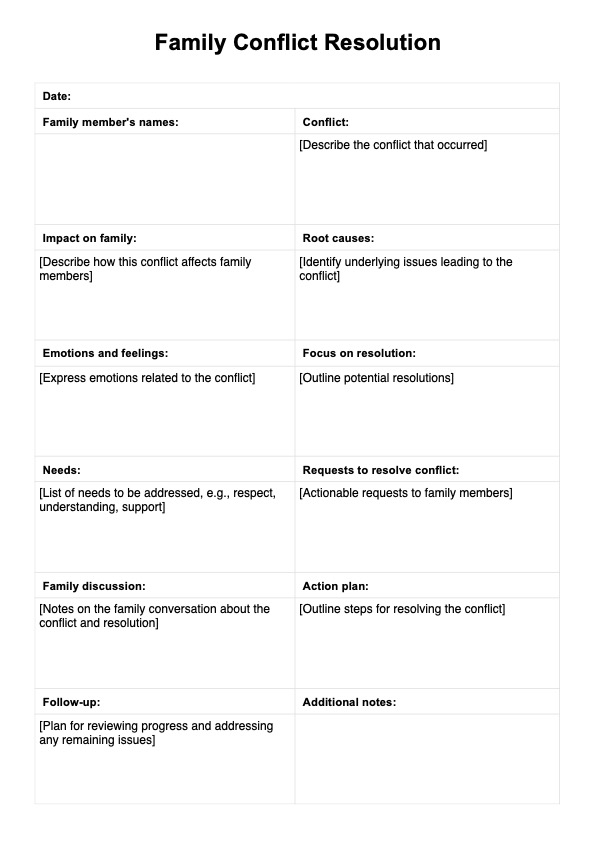




Understanding family conflict
Family conflict is a normal and inevitable part of family life. While it can be distressing, understanding its causes and impacts can help family members develop strategies to resolve conflicts and maintain healthy family relationships.
Common causes of family conflict
Several factors can contribute to family conflicts:
- Communication breakdowns: Misunderstandings or lack of effective communication skills can lead to hurt feelings and disputes.
- Differing values and beliefs: As family members develop their individual identities, conflicts may arise over diverging views on religion, politics, or lifestyle choices.
- Financial stress: Disagreements over money management, especially in a family business context, can strain relationships.
- Life transitions: Major changes such as marriages, births, or career shifts can disrupt family dynamics and lead to conflict.
- Generational gaps: Differences in perspectives between older and younger family members can create tension.
- Unresolved past issues: Lingering resentments or unaddressed problems from the past can resurface and cause ongoing conflict.
Problems caused by family conflict
When left unresolved, family arguments can lead to various issues:
- Emotional distress: Persistent conflicts can negatively impact the well-being of all family members, potentially leading to anxiety, depression, or other mental health concerns.
- Strained relationships: Ongoing conflicts can erode trust and intimacy within family relationships, making it difficult to maintain positive interactions.
- Disrupted family culture: Frequent arguments can create an inevitable tension, affecting family gatherings and the overall family dynamic.
- Behavioral issues: Children exposed to constant family conflict may exhibit problematic behaviors at home or school.
- Health problems: The stress from such conflicts can manifest in physical health issues for family members.
- Isolation: Family members may withdraw from each other or avoid family activities to escape conflict.
- Intergenerational impact: Unresolved conflicts can affect multiple generations, potentially creating long-lasting family rifts.
Families may benefit from family therapy or family counseling to address these issues, which can provide tools to resolve family conflicts, improve communication skills, and rebuild family bonds. Learning to manage conflicts constructively and focus on positive interactions can help create a healthier family environment where all family members feel valued and understood.









