




What is hypomania?
Hypomania is a distinct mood state marked by persistently elevated, expansive, or irritable mood and increased energy or activity that is noticeable to others but less severe than full-blown mania (Substance Abuse and Mental Health Services Administration, 2016). Episodes typically last at least four consecutive days and occur most of the day, nearly every day. This form of mania can significantly affect mental health and overall well-being.
Unlike mania, hypomania does not include psychotic features and does not cause significant impairment in work, social functioning, or relationships (Mind, 2020). However, it still represents a clear deviation from a person’s usual behavior and can escalate if untreated. This less severe form of a manic episode is often underestimated but still part of a spectrum of mental health conditions like bipolar disorder.
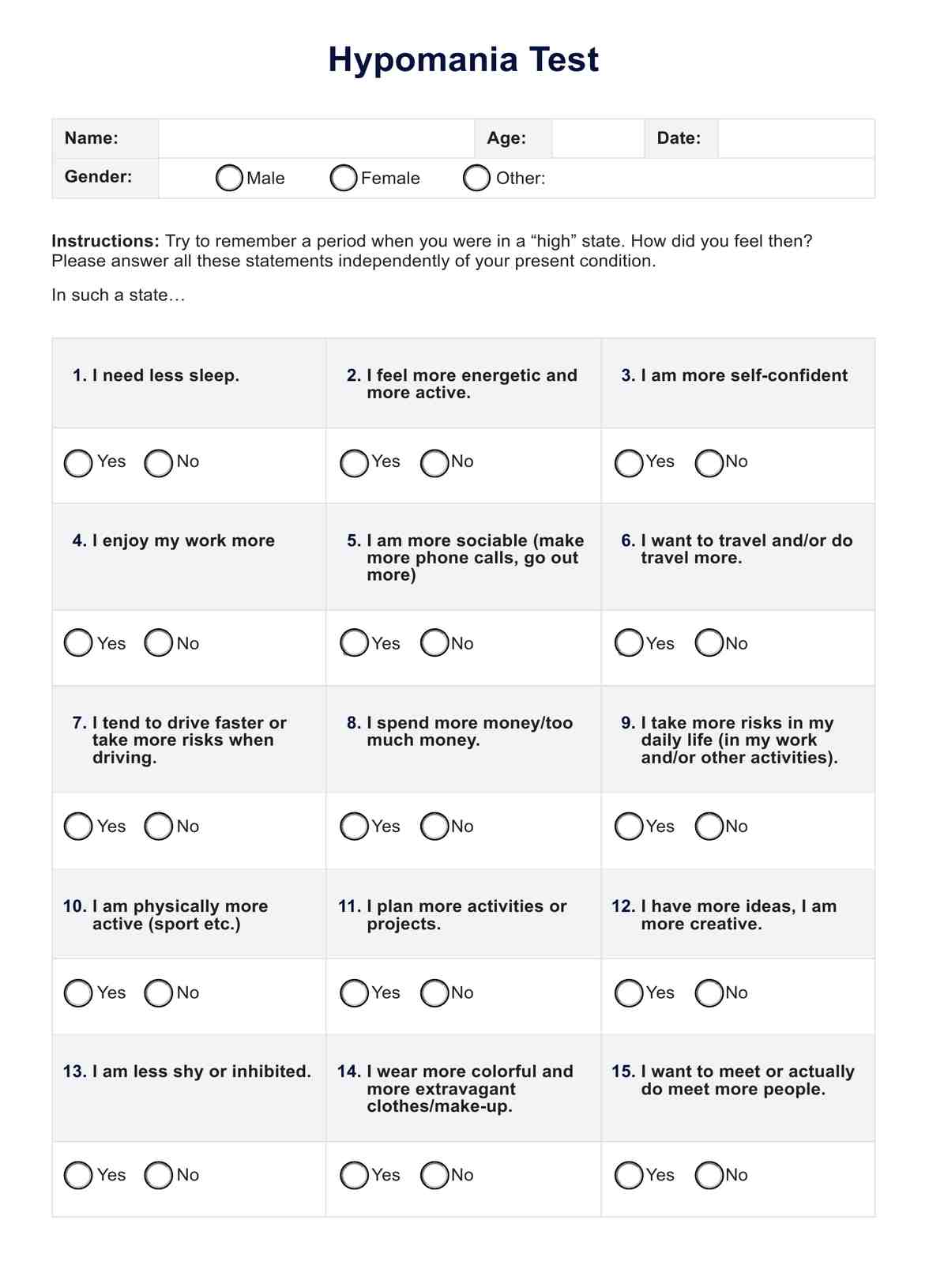
Common symptoms include inflated self-esteem or grandiosity, decreased need for sleep, excessive talkativeness, racing thoughts, and distractibility. Individuals may also demonstrate a surge in goal-directed activity or engage in risky behaviors such as excessive spending or reckless decision-making. These hypomanic symptoms may lead people to feel unusually self-confident or take on increased risk-taking behaviors.
Many people with bipolar II disorder experience hypomania, often alternating with depressive episodes. Recognizing hypomania is important, as the individual may appear high-functioning or even more productive than usual, which can mask the seriousness of the mood disturbance. Mood swings between depression and hypomanic episodes are a key feature of bipolar depression and other mood-related mental disorders.
Mental health professionals assess hypomanic symptoms carefully, as early identification is key to preventing progression into mania or depressive episodes. While hypomania may feel exhilarating to the individual, it is still a clinically significant condition that requires proper monitoring and care. A qualified mental health professional may recommend a hypomania test or bipolar test to help identify this condition. Healthcare professionals also educate individuals about the risks of drug abuse, self-harm, and sleep disruption, all of which can worsen symptoms.









