




What is cognitive behavioral therapy for insomnia?
Insomnia is a common sleep disorder characterized by difficulty falling asleep, staying asleep, or waking too early. Chronic insomnia disorder—defined by persistent sleep difficulties lasting for at least three months—can significantly impact overall well-being. Prolonged sleep deprivation disrupts important physiological functions, including memory consolidation, mood regulation, and learning.
Persistent sleep disturbances are closely linked to mood disorders (e.g., bipolar disorder, post-traumatic stress disorder, depression, and anxiety) and chronic pain (Smith & Haythornthwaite, 2004). Irritability, mood swings, and heightened stress levels are common symptoms of chronic insomnia. Compromised cognitive functioning is also common, resulting in impairments to concentration, decision-making, and mental focus.
There are various medical and psychological treatment strategies for chronic insomnia. Cognitive behavioral therapy (CBT) is one of the most common psychotherapeutic approaches; studies show it can improve sleep time and sleep efficiency similar to sleep medication without side effects (Rossman, 2019). It is underpinned by the premise that thoughts and behavior are inextricably linked. CBT insomnia treatment aims to restructure the thoughts that contribute to ongoing sleeplessness.
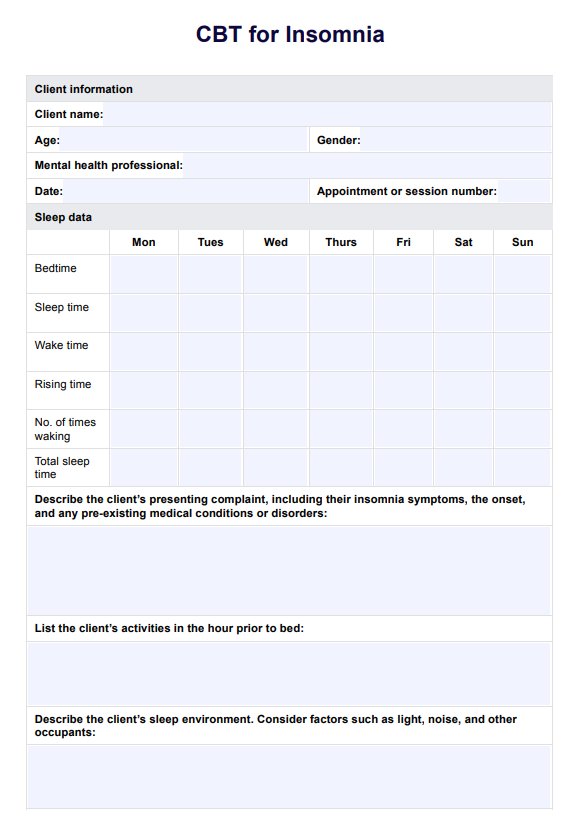
Identifying and challenging automatic thought patterns related to sleep is integral to this treatment strategy. Through CBT-based techniques such as sleep diaries, stimulus control, and relaxation training, mental health professionals can help their clients regain a sense of control around rest and alleviate anxiety and tension that may keep a person from getting normal sleep.









