
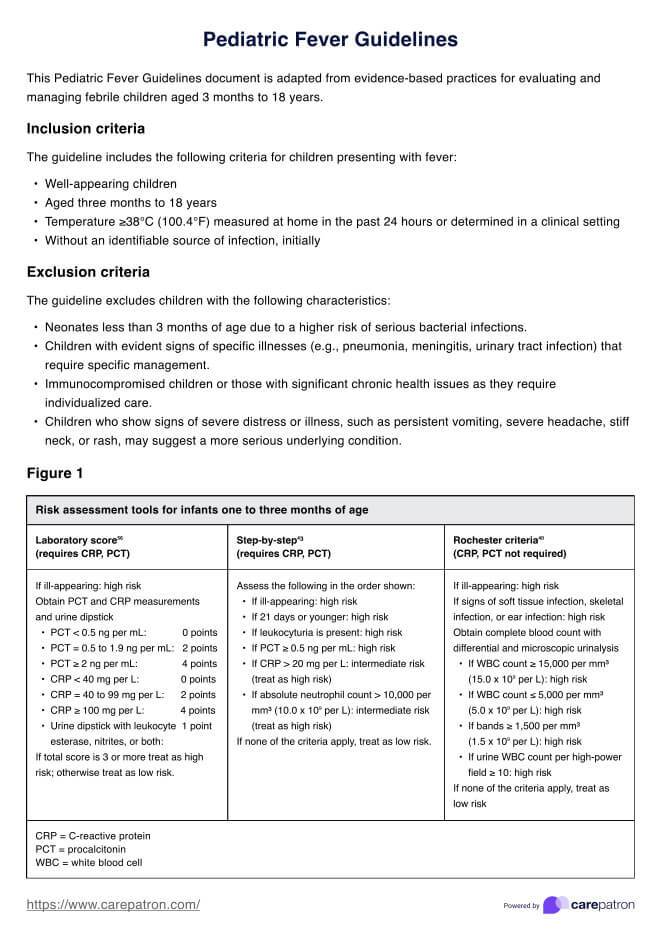




What's considered a fever in children?
A fever in children is typically considered when they fail to maintain normal body temperature, and it rises above the normal range. Here’s an overview of a fever's causes, complications, and other signs and symptoms.
Temperature considered a fever
For children aged 1 year and older, a fever is usually defined as a body temperature of:
- 100.4°F (38°C) or higher when measured with a rectal or ear thermometer.
- 100°F (37.8°C) or higher when measured with an oral thermometer.
- 99°F (37.2°C) or higher when measured with an armpit (axillary) thermometer.
Causes of fever in children
Fevers in children can be caused by various factors, including:
- Infections: The most common cause, including viral and bacterial infections like the flu, colds, ear infections, and urinary tract infections.
- Immunizations: Some children may develop a mild fever after receiving vaccinations.
- Overheating: Excessive clothing, hot weather, or intense physical activity can sometimes raise body temperature.
- Inflammatory conditions: Conditions like rheumatoid arthritis or other inflammatory diseases can also cause fevers.
Complications of fever
While fevers are typically a sign of serious bacterial infection or viral upper respiratory infection, they can lead to complications if not managed properly:
- Febrile seizures: Some children between the ages of 6 months and 5 years may experience seizures triggered by fever, which can be alarming but are generally not harmful.
- Dehydration: Fever can lead to increased fluid loss, raising the risk of dehydration, especially if the child is not drinking enough fluids.
- Underlying conditions: Persistent or very high fevers can sometimes indicate more serious underlying health issues that require medical attention.
Other signs and symptoms
Besides an elevated temperature, other signs and symptoms that may accompany a fever in children include:
- Sweating: Increased sweating as the body tries to cool down.
- Chills and shivering: The body may shiver as it attempts to raise its temperature.
- Headache: Fever often comes with a headache.
- Muscle aches: Generalized body aches are common.
- Loss of appetite: Children with fever may eat less than usual.
- Irritability: Increased irritability or fussiness, especially in younger children.
- Fatigue: Feeling more tired or lethargic than usual.
- Dehydration: Signs include dry mouth, sunken eyes, and reduced urine output.
When to seek medical attention
Parents should seek medical attention if their child:
- Is younger than 3 months old with a fever of 100.4°F (38°C) or higher.
- Has a fever of 104°F (40°C) or higher at any age.
- Shows signs of dehydration, persistent vomiting, or a severe headache.
- Has a fever that lasts more than 3 days.
- Experiences a febrile seizure or has difficulty breathing.
- Appears unusually drowsy, unresponsive, or has a stiff neck.









