
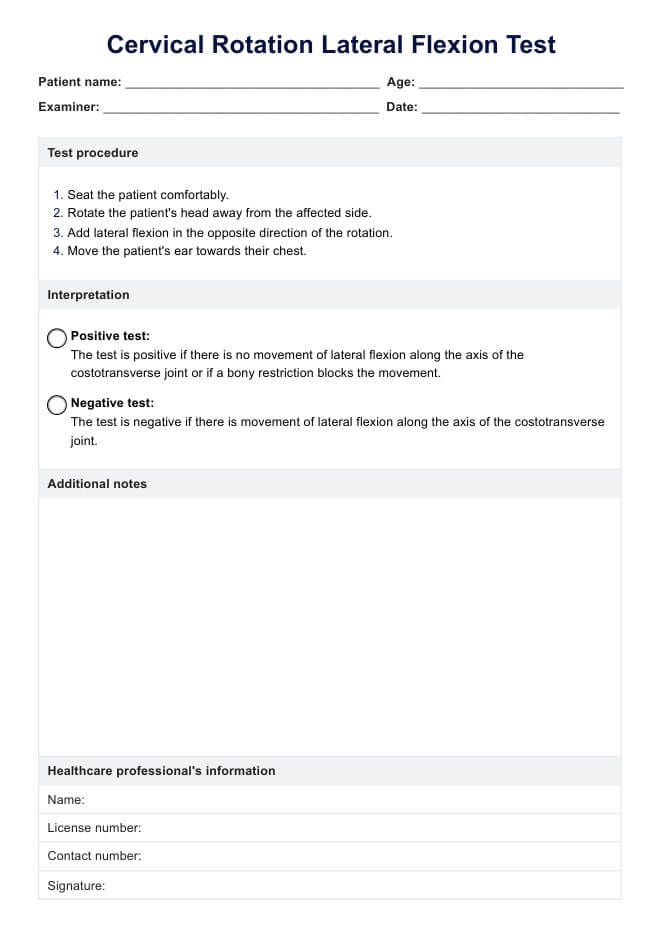




What is thoracic outlet syndrome?
Thoracic outlet syndrome (TOS) is a term used to describe a group of conditions that occur when there is compression or irritation of the nerves, blood vessels, or muscles in the thoracic outlet area. The thoracic outlet is the space between your collarbone (clavicle) and first rib.
TOS can be classified into three types based on the underlying cause: neurogenic TOS, arterial TOS, and venous TOS. Neurogenic TOS is the most common type and occurs when there is compression of the brachial plexus, a network of nerves that control movement and sensation in the shoulder, arm, and hand. Arterial TOS occurs when the subclavian artery, which supplies blood to the arms, is compressed or narrowed. Venous TOS occurs when the subclavian vein, which carries blood from the arms back to the heart, is compressed or blocked.
Symptoms
The symptoms that indicates thoracic outlet syndrome can vary but often include:
- Neck pain: Persistent or sharp pain in the neck, often worsened by certain movements.
- Shoulder pain: Discomfort or pain extending to the shoulder area.
- Arm pain: Pain radiating down the arm, which can be accompanied by tingling or numbness.
- Weakness: Reduced strength in the arm or hand, making it difficult to perform daily tasks.
- Reduced range of motion: Limited ability to rotate or flex the neck.
- Headaches: Tension headaches stemming from neck issues.
- Swelling: In some cases, swelling in the affected area.
Causes
The causes indicating thoracic outlet syndrome often involve a combination of factors. Anatomical abnormalities, such as an extra cervical rib or a tight fibrous band connecting the spine to the first rib, can lead to compression in the thoracic outlet. Poor posture, particularly prolonged poor posture, can exacerbate this compression.
Repetitive activities that require continuous shoulder movement, such as lifting or typing, are common contributors. Trauma, like a car accident or sports injury, can also trigger symptoms. Additionally, cervical spine rotation and first and second rib anomalies can cause nerve compression, leading to thoracic outlet syndrome. Congenital defects may also predispose individuals to this condition.









