








What is Trauma and PTSD?
Trauma is a deeply distressing or disturbing event that overwhelms an individual's ability to cope, often resulting in emotional, psychological, and physical reactions. Trauma can stem from various sources, such as accidents, natural disasters, violence, abuse, or war experiences. It is a subjective experience, meaning what one person finds traumatic, another might not.
Post-Traumatic Stress Disorder () is a mental health condition that can develop after experiencing or witnessing a traumatic event. It is characterized by a cluster of symptoms, including intrusive thoughts or memories of the trauma, flashbacks, nightmares, hypervigilance, and avoidance of associated triggers. Individuals with PTSD often struggle with intense emotional reactions, mood swings, and difficulties in their daily functioning.
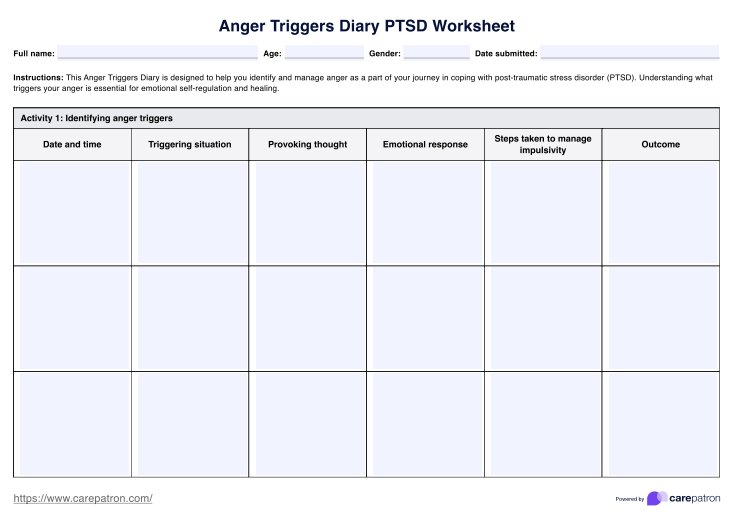
Anger is a typical emotional response in individuals with PTSD. It can manifest as irritability, outbursts, or even aggressive behavior. This anger often stems from the distressing memories and hyperarousal associated with PTSD, as individuals may feel constantly on edge or threatened. Additionally, they may harbor resentment or frustration related to the traumatic experience or its impact on their lives. Effective treatment for PTSD often includes strategies to manage and cope with anger, as it can be a significant barrier to recovery.
Understanding trauma and its connection to PTSD, including the role of anger, is crucial for individuals struggling with these issues and those providing support and treatment.









