
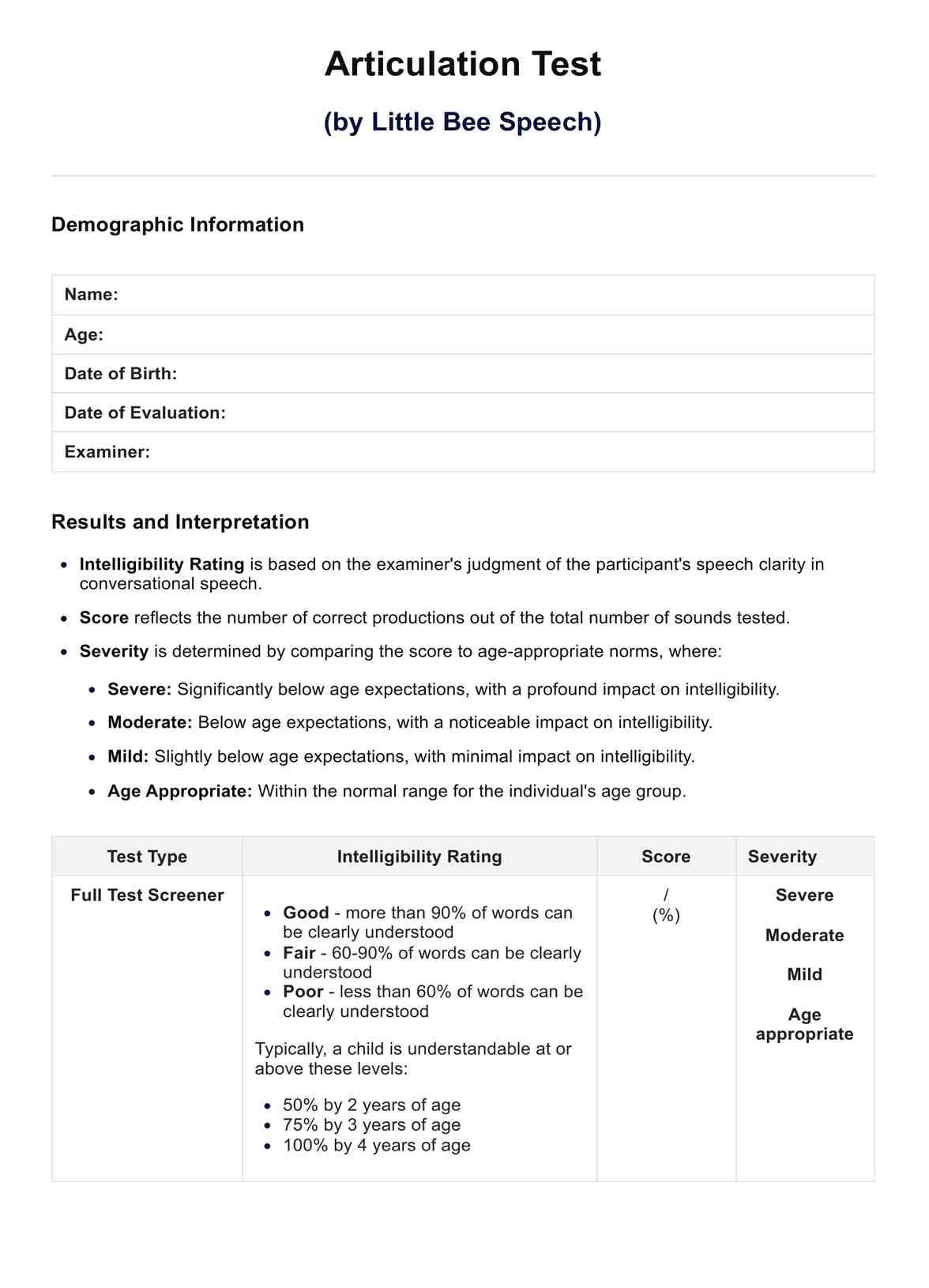




What is articulation?
Articulation refers to the clear and precise production of speech sounds. It involves the coordinated movements of the lips, tongue, teeth, palate, and respiratory system to produce the sounds that form words. Good Articulation is essential for effective communication, as it allows individuals to express their thoughts and needs clearly to others.
Articulation is a skill that develops from infancy through childhood, with most children mastering the sounds of their native language by age eight. However, the development of articulation skills can vary widely among individuals and can be influenced by various factors, including physical, psychological testing, neurological, and environmental conditions.
Benefits
Good Articulation offers numerous benefits that extend beyond the basic ability to communicate. These include:
- Enhanced communication effectiveness: Clear speech ensures that the speaker’s message is understood by the listener, reducing the likelihood of miscommunication and fostering better interpersonal relationships.
- Improved academic and professional outcomes: Good articulation skills are closely linked with academic success and are highly valued professionally. They contribute to better performance in reading, writing, and public speaking, essential skills in many educational and career paths.
- Increased confidence: Individuals who articulate well tend to be more confident in social situations. This confidence can lead to more positive social interactions and opportunities for leadership.
- Better listening skills: Good Articulation often reflects and encourages better listening skills. As individuals become more aware of how they produce sounds, they also become better at decoding and understanding the speech of others.
Conditions that impact articulation and speech sounds
Several conditions can affect a person’s ability to articulate words clearly. These conditions may be present from birth or develop later in life. They include:
- Speech sound disorders: These include articulation disorders, where particular speech sounds are consistently mispronounced, and phonological disorders, where patterns of sound errors are made.
- Hearing loss: Even mild hearing impairment can affect a child’s ability to hear and reproduce the sounds of their language, impacting their articulation skills.
- Cleft palate or lip: These congenital disabilities affect the mouth’s structure and can significantly interfere with a child’s ability to produce speech sounds correctly.
- Neurological conditions: Conditions such as cerebral palsy, traumatic brain injury, and stroke can affect the muscles and nerves used in speech, leading to difficulties with Articulation.
- Developmental disorders: Autism spectrum disorder, developmental delays, and other such conditions can also impact speech and language development, including articulation skills.









