


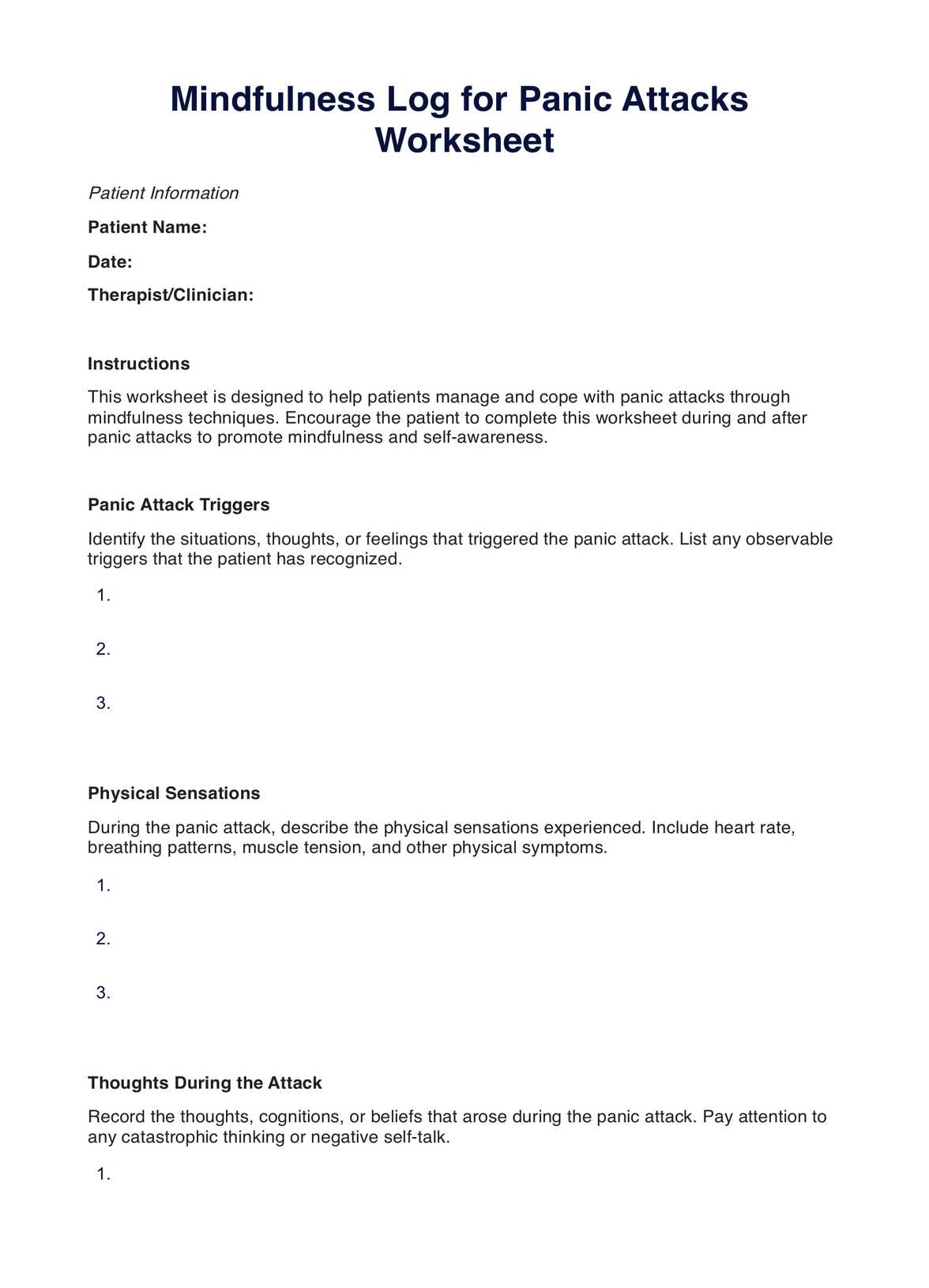




What are Panic Attacks, and What is Panic Disorder?
Panic attacks are intense episodes of extreme fear and distress that typically come on suddenly and reach their peak within a few minutes. These episodes are characterized by physical and psychological symptoms that can be terrifying for those who experience them.
Common panic attack symptoms include a racing heart, shortness of breath, chest pain, trembling or shaking, sweating, impending doom, dizziness, and detachment from reality. People having it may also fear they are having a heart attack or are on the verge of death despite no real threat being present.
Recurrent and unexpected panic attacks characterize this mental health condition. Individuals with Panic Disorder often fear when the next attack will occur, leading to a significant disruption in their daily lives.
In addition to the repeated panic attacks, those with this disorder often develop anticipatory anxiety and may avoid situations or places where they have previously experienced it. The exact causes of Panic Disorder are not fully understood, but it is believed to be a combination of genetic, neurobiological, and environmental factors.
Treatment for Panic Disorder typically involves psychotherapy, such as cognitive-behavioral therapy (CBT), which helps individuals understand and manage their panic attacks. Medications, such as selective serotonin reuptake inhibitors (SSRIs) or benzodiazepines, may also be prescribed in some cases.
It is essential to seek professional help for those experiencing it or Panic Disorder, as timely intervention can significantly improve the quality of life and alleviate the distressing symptoms of this condition.









