





What is a Heart Stress Test?
In the vast realm of cardiology, specific tests provide invaluable insights into heart health. One such test is the Heart Stress Test. But what exactly is it?
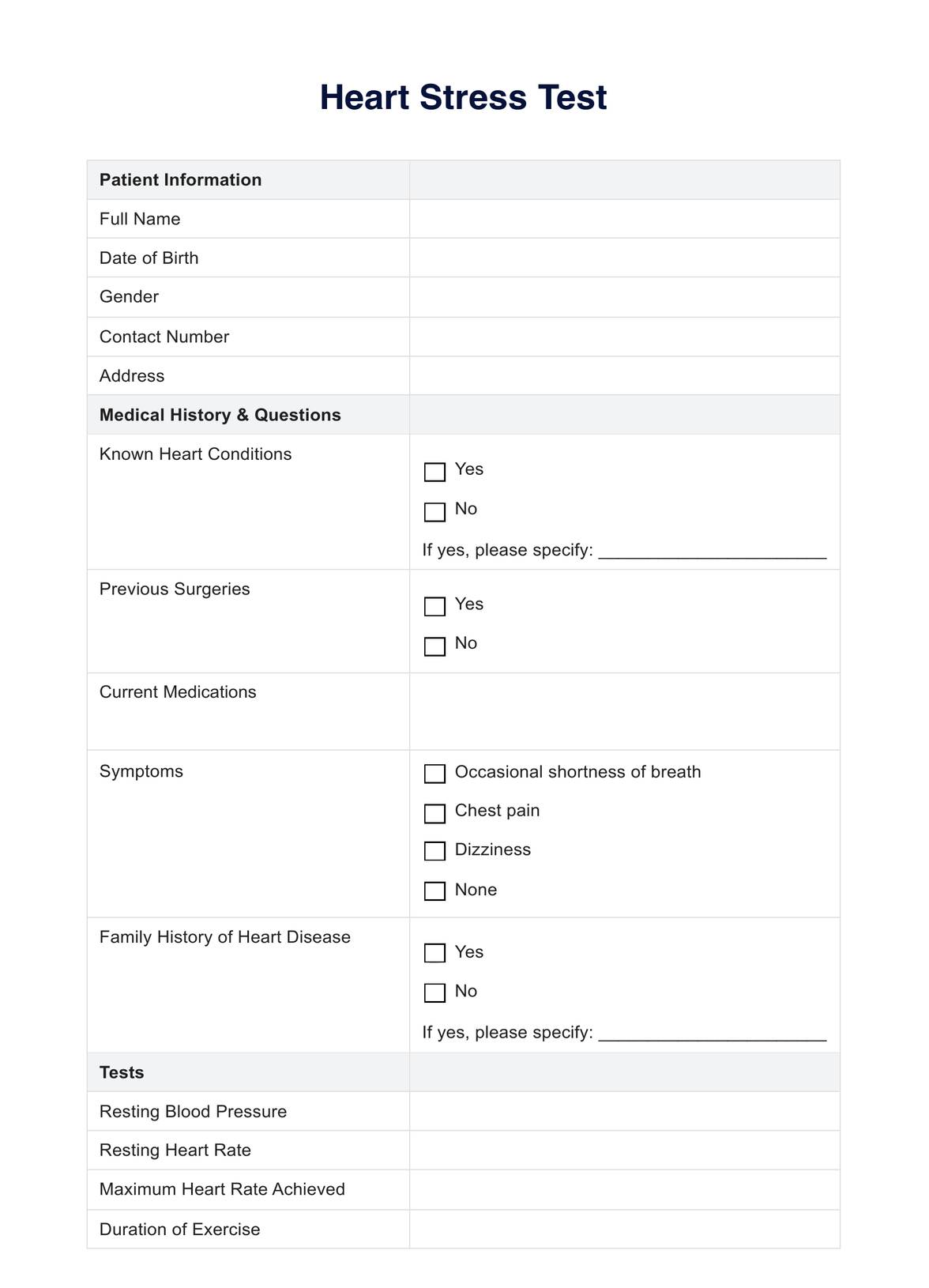
At its core, a Heart Stress Test—often called a stress test—is a procedure designed to measure how well the heart handles its workload. When we're at rest, our heart doesn't have to work that hard. But when we push it, whether through physical exercise or other means, it has to work harder to pump blood. This test essentially "stresses" the heart to see how it responds.
Healthcare professionals use this test to determine the amount of stress that the heart can manage before developing an abnormal rhythm or evidence of ischemia (not enough blood flow to the heart muscle). It's beneficial in identifying coronary artery disease or other heart-related conditions.
For healthcare professionals, understanding the intricacies of this test is crucial. Not only does it play a pivotal role in diagnosing potential heart issues, but it also aids in determining treatment paths and monitoring heart conditions over time. The Heart Stress Test is a cornerstone in cardiac care. With the proper knowledge and tools, like those provided by Carepatron, it becomes an even more powerful asset in ensuring optimal patient care.









