




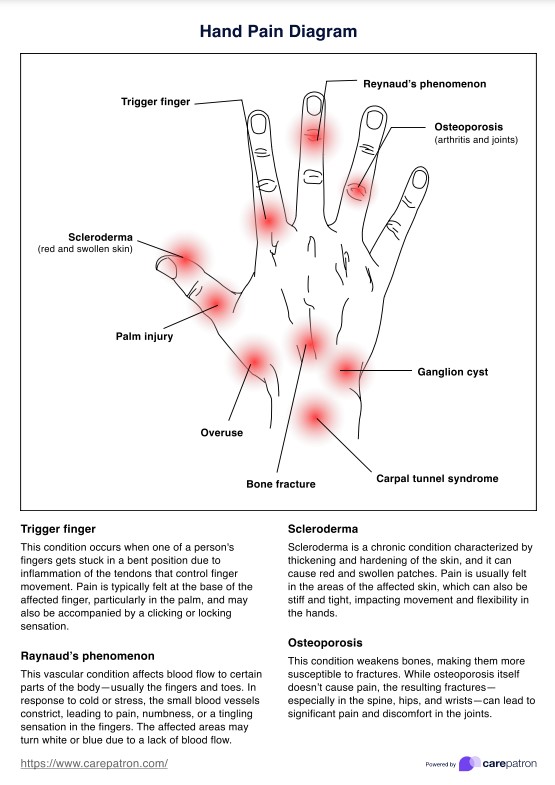




Understanding hand pain
Hand pain refers to any discomfort, soreness, or ache that is experienced in the hand and/or fingers. It can range from a mild annoyance to a debilitating condition that affects daily activities. One significant contributor to hand pain is the condition of the blood vessels that supply the hand and fingers (Cleveland Clinic, n.d.; American Society for Surgery of the Hand, 2020). Poor circulation can lead to numbness and discomfort, often exacerbated by conditions such as diabetes or peripheral artery disease.
Additionally, the health of the joints in the hand plays a crucial role in overall hand function; inflammation or degeneration in the middle or end joints can lead to pain. Inflammation in these joints can restrict movement and make simple tasks increasingly challenging (Kılıc, 2018).
Musculoskeletal hand problems are particularly prevalent among those aged 50 and older, with an estimated monthly prevalence of 47% for hand issues and 31% specifically for hand pain. This condition can significantly impact daily life (Dziedzic et al., 2007). Patients with hand pain often experience difficulties with tasks that require fine motor skills, such as writing, typing, and grasping objects.
Symptoms of hand pain can also differ but may include sharp, shooting pain in the hands and/or fingers, dull ache or throbbing sensations, stiffness or difficulty moving the hand/fingers, swelling and inflammation in the affected area, numbness or tingling sensations, and weakness in the hand/fingers.









