
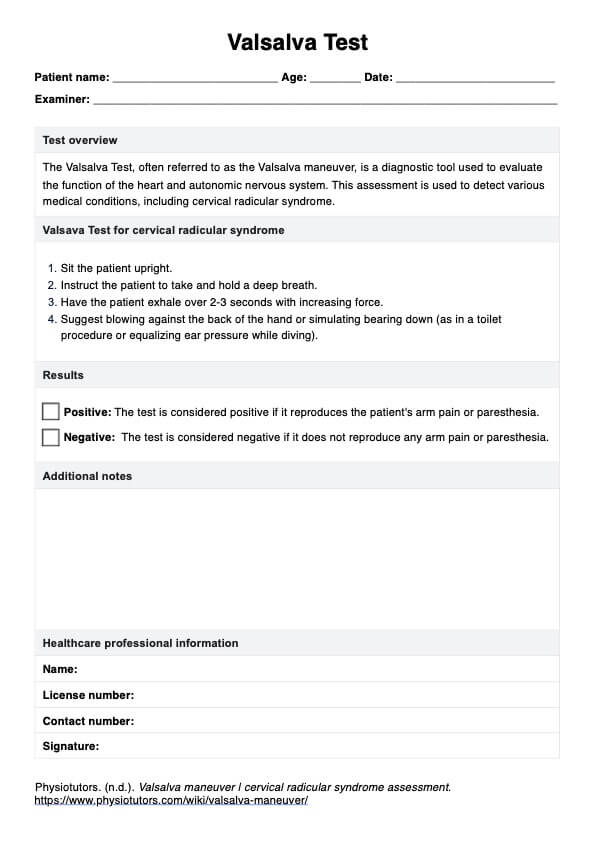




What is cervical radicular syndrome?
Cervical radicular syndrome is a condition that arises when a nerve in the neck (cervical spine) becomes irritated or compressed, leading to pain that radiates from the neck into the shoulders, arms, and hands.
This condition is often associated with changes in blood vessels and blood pressure. For instance, an increase in intraspinal pressure can alter the blood pressure response, sometimes leading to an overshoot in blood pressure when blood rushes to the affected area.
If left untreated, cervical radicular syndrome can lead to chronic pain and difficulty performing daily activities. Therefore, early diagnosis and treatment are crucial for managing this condition.
Symptoms of this syndrome
Individuals with cervical radicular syndrome typically experience:
- Sharp, shooting pain in the neck, shoulder, arm, or hand
- Numbness or tingling sensations in the affected areas
- Muscle weakness in the arm or hand
- Reduced range of motion in the neck
- Pain that worsens with certain neck movements
In certain cases, techniques such as carotid sinus massage can be employed to help manage symptoms, particularly when supraventricular tachycardia, a type of fast heartbeat, is present. Additionally, fluctuations in intra-abdominal pressure may also influence the severity of the symptoms experienced. Proper diagnosis and management are key to alleviating the discomfort caused by cervical radicular syndrome.
Causes of this syndrome
The primary causes of cervical radicular syndrome include:
- Herniated discs: When the soft inner gel of a spinal disc bulges out and presses on a nerve root.
- Bone spurs: Bony overgrowths that can pinch nerves.
- Degenerative disc disease: Age-related wear and tear on spinal discs.
- Spinal stenosis: Narrowing of the spinal canal that puts pressure on the nerves.









