




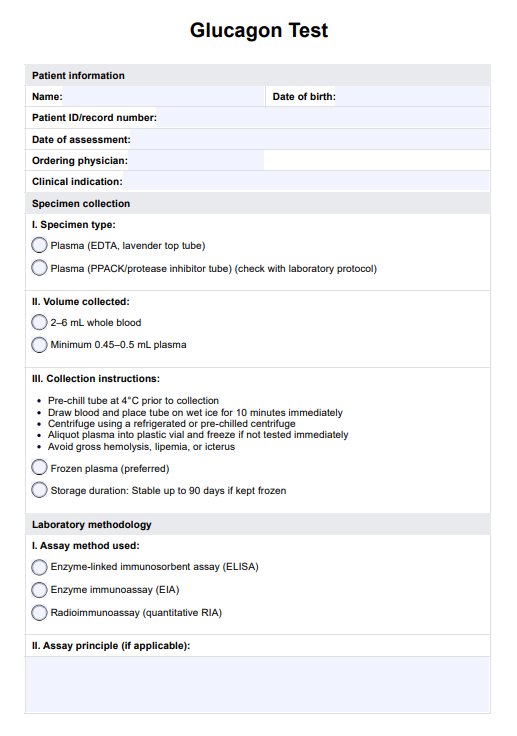




What is a Glucagon Test?
A Glucagon Test, also known as a glucagon stimulation test, is a medical diagnostic procedure used to assess the functionality of the pancreas, particularly the alpha cells in the islets of Langerhans, which produce the hormone glucagon. Glucagon is a critical hormone that plays a crucial role in regulating blood sugar levels in the body, acting in opposition to insulin and contributing to glucose metabolism.
The test is primarily employed to investigate disorders related to glucose metabolism, most notably diabetes. It helps healthcare professionals determine whether the pancreas can produce glucagon appropriately in response to low blood sugar (hypoglycemia). The procedure involves administering a synthetic form of glucagon, usually through an injection, to stimulate the release of glucose from the liver into the bloodstream. This results in a rapid increase in blood sugar levels and helps assess glucagon release and glucagon secretion.
The test is typically conducted under controlled conditions, often in a clinical setting or hospital, to closely monitor the patient's blood glucose levels and assess their body's response to the glucagon stimulus. By measuring how well the body reacts to the synthetic glucagon injection, medical professionals can gain valuable insights into the patient's pancreatic function and detect any underlying issues such as insulinoma (a rare tumor of the pancreas), congenital hyperinsulinism, or other metabolic disorders like islet cell tumors or glucagon-secreting tumors.
The results of a Glucagon Test are instrumental in guiding treatment decisions for patients with diabetes or related endocrine disorders. It helps doctors tailor their approach to managing these conditions, including medication adjustments, dietary modifications, or surgical interventions. This may be especially helpful for diabetic patients or those experiencing prolonged fasting, severe hypoglycemia, or mild diabetes symptoms.









