How do anger management specialists conduct their sessions?
Anger management specialists employ various techniques to help individuals understand and control their anger. They begin by helping clients identify the triggers that lead to anger and the specific warning signs that signal escalating anger - for example, being stuck in a traffic jam. Through the sessions, individuals learn effective communication skills to express their feelings and needs without aggression.
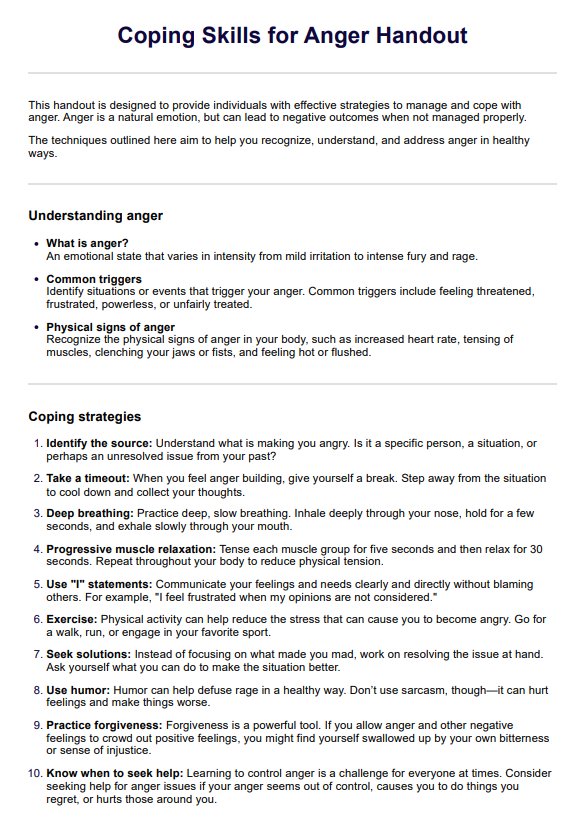
Specialists also teach coping skills and relaxation techniques, such as progressive muscle relaxation and deep breathing, to help individuals stay calm in their emotional state and prevent anger from reaching a boiling point.
They help identify and clarify warning signs
One of the first steps in managing anger is recognizing the early warning signs that anger is building. These can vary widely among individuals but often include physical cues like muscle tension, changes in breathing, or a racing heart, as well as emotional and cognitive signs such as feeling irritable, upset, experiencing rapid thoughts, or a sense of injustice. Anger management specialists work with individuals to help them become more aware of these warning signs, making it easier to take proactive steps before emotions escalate.
They teach communication skills
Effective communication is vital in managing anger, especially when expressing frustrations or needs. Anger management sessions often focus on teaching communication skills that enable angry individuals to express themselves clearly and assertively without using words or aggression. This includes using "I" statements to convey feelings and needs, active listening to understand others' perspectives, and learning to negotiate and find compromises.
They teach coping skills and relaxation techniques to control anger
In addition to identifying warning signs and improving communication, anger management specialists equip individuals with practical coping skills and relaxation techniques. These skills are designed to lower the emotional and physiological arousal that experiencing anger can cause.
Techniques such as deep breathing exercises, progressive muscle relaxation, and visualization can help calm the mind and body, reducing the intensity of feeling angry. Specialists may also introduce problem-solving strategies to address the root causes of anger and teach ways to shift from a reactive stance to a more thoughtful, controlled approach to challenging situations.
By addressing these key areas, anger management sessions provide individuals with a comprehensive toolkit for understanding and managing their anger. Through identifying warning signs, developing effective communication skills, and applying coping and relaxation techniques, individuals can learn to navigate and control their emotional state more effectively, leading to healthier relationships and an improved quality of life.