




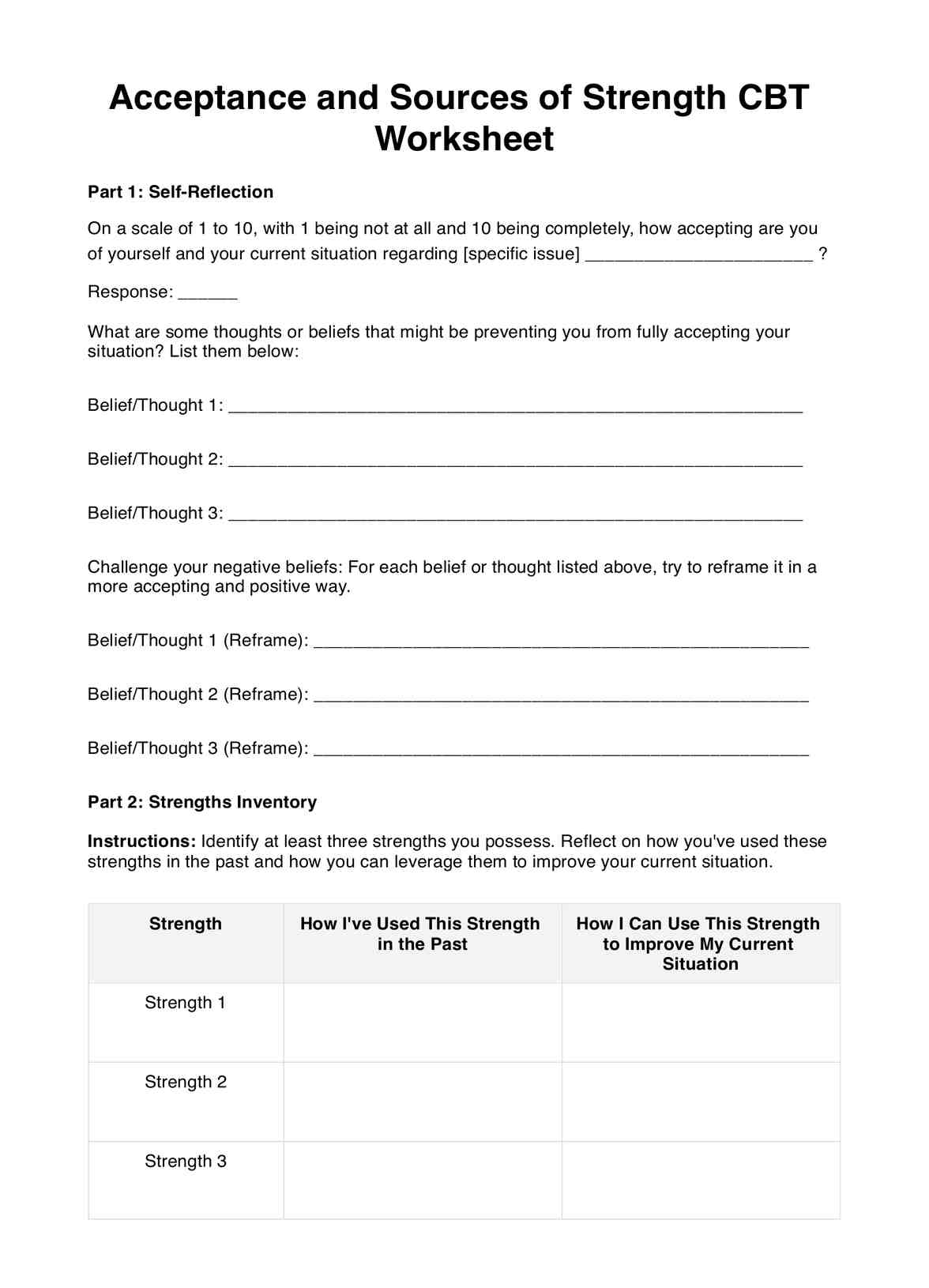




What is Cognitive Behavioral Therapy?
(CBT) is a widely recognized psychotherapy approach that focuses on changing negative thought patterns, emotions, and behaviors. It operates on the premise that our thoughts and feelings significantly influence our actions, and by modifying these cognitive processes, individuals can achieve positive behavioral changes and improve overall mental health. CBT is a versatile therapeutic method that can be applied to various mental health issues, including substance abuse.
In the context of substance abuse, CBT plays a pivotal role in addiction treatment. It helps individuals identify and challenge irrational thoughts that justify drug or alcohol use and replace them with more constructive, reality-based thinking. Behavioral modification is a core component of CBT, allowing individuals to understand the connection between their thoughts, emotions, and actions and modify behaviors associated with substance abuse. Skill-building in coping with cravings and stress, self-monitoring of thoughts and behaviors related to substance use, and relapse prevention planning are crucial aspects of CBT in addiction treatment.
CBT also addresses underlying issues contributing to substance abuse, such as trauma or mental health disorders. By equipping individuals with practical coping skills and a better understanding of their triggers, CBT empowers them to achieve initial abstinence and maintain long-term recovery.









